Ongoing Conflict to Maintain High Oil Prices and Supply Deficits Through 2027
 admin
admin 
**Long-Term High Oil Prices Expected as War Restricts Supply Through 2027**
Market expectations of a quick resolution to the conflict between the United States, Israel, and Iran have faded. Early hopes, bolstered by a brief ceasefire in June, have been replaced by the realization that the geopolitical dispute will likely persist into next year and continue to keep energy prices elevated over the long term.
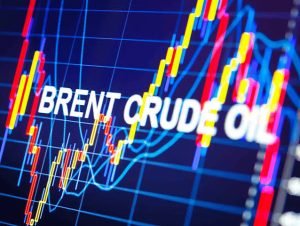
Futures contracts reflect this extended timeline. Brent crude for January 2027 delivery is currently priced around $102.59 a barrel, while June 2027 contracts trade near $92.71 and December 2027 contracts sit around $84.75 per barrel. These levels stand in sharp contrast to late 2025, when Brent was trading under $70. As a result, energy consumers are increasingly hedging against higher long-term prices to protect against ongoing market tightness.
Although reports indicate that crude shipments from the Persian Gulf have partially recovered, market sentiment remains cautious. This skepticism stems from unreliable reporting metrics and the logistical challenges of maintaining trade flows. Exporters have turned to costly ship-to-ship transfers, which have constrained tanker capacity, driven up shipping rates, and forced producers to offer price discounts. Furthermore, frequent physical disruptions in the Strait of Hormuz continue to maintain a significant risk premium on crude prices.
The global supply shortage is particularly severe in refined products, especially diesel, due to targeted strikes on key processing facilities in the Middle East. To mitigate supply disruptions that pushed diesel to record price levels, the International Energy Agency (IEA) announced emergency releases from strategic reserves. However, analysts note that reserve releases offer only temporary relief given the structural global shortfall in refining capacity.
While the IEA’s medium-term projections anticipate a recovery in global oil supply to 108.3 million barrels per day, market indicators suggest that full capacity restoration across Middle Eastern oil and gas export infrastructure remains distant.
Persistent energy costs continue to exert upward pressure on global inflation, creating policy challenges for central banks and national governments. While official bodies like the International Monetary Fund maintain moderate global growth forecasts, economists warn that prolonged high energy costs and ongoing regional conflicts limit the capacity for broader economic recovery.