Oil Poised Between Middle East Conflict and Russia-Ukraine Energy Peace
 admin
admin 
**Oil Prices Soften as Proposed Energy Truce Offsets Middle East Escalation**
Oil prices recorded slight declines during early European trading on Monday. Downward pressure from U.S. President Donald Trump’s announcement of an “energy ceasefire” between Russia and Ukraine effectively countered market concerns stemming from recent military escalation in the Middle East.
Brent crude slipped 0.2% to $104 per barrel, while West Texas Intermediate (WTI) fell 0.7% to approximate $91 per barrel.
**Houthi Attacks in Saudi Arabia**
The geopolitical tension follows back-to-back missile strikes targeting King Khalid International Airport in Riyadh, Saudi Arabia. Executed by Iran-backed Houthi forces based in Yemen, the initial strike on Saturday resulted in 13 fatalities and over 300 injuries. A subsequent attack on Sunday left one person dead and 11 wounded.
While these strikes did not directly target energy infrastructure, the intensification of hostilities near the Bab el-Mandeb Strait raises concerns regarding a broader regional conflict that could endanger maritime trade routes.
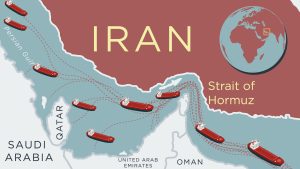
ING commodity strategists Warren Patterson and Ewa Manthey noted that the strikes underscore persistent risks to regional energy supplies, even as oil shipments from the Persian Gulf remain at elevated levels relative to recent historical benchmarks during the ongoing U.S.-Iran conflict.
**Sanctions Relief and Russian Fuel Imports**
Despite Middle Eastern tensions, traders focused on potential increases to global fuel supply. President Trump lifted sanctions on Russian diesel and concluded an agreement with Russian President Vladimir Putin to secure immediate imports of Russian fuel. The move is aimed at curbing record-high domestic diesel prices prior to the upcoming U.S. midterm elections on November 3.
Analysts at ING indicated that while the bilateral agreement will not fully resolve structural supply tightness in the middle distillate market, it has applied immediate downward pressure on gasoil crack spreads. The firm added that sustained price relief for refined products will likely require a broader stabilization of conditions across the Middle East.