Middle East Chemical Sector Retains Cost Advantage Amid Straits
 admin
admin 
**Middle East Petrochemical Sector Maintains Cost Advantage Amid Hormuz Strain**
Despite geopolitical conflict in Iran and ongoing transit disruptions through the Strait of Hormuz, Middle Eastern petrochemical manufacturers continue to leverage a significant cost advantage over global competitors.
While current operational challenges in the Persian Gulf have prompted buyers to temporarily diversify polymer sourcing—giving a boost to U.S. chemical producers—industry experts indicate that the Middle East’s long-term dominance remains intact. The region’s extensive infrastructure and unmatched access to low-cost feedstocks, particularly naphtha, continue to make its output indispensable to international buyers.
**Temporary Supply Diversification vs. Long-Term Market Dynamics**
Since the onset of hostilities in late February, reduced export flow through the Strait of Hormuz has forced global buyers to seek alternative sources for polymers. However, analysts emphasize that these shifts represent risk mitigation rather than a permanent replacement of Gulf suppliers. For most purchasing managers, the low price point of Middle Eastern polymers ultimately outweighs supply risk.
Morningstar analyst Christian Flemming noted that price remains the primary determinant in purchasing behavior. Echoing this sentiment, a spokesperson for European chemical leader BASF stated that current regional bottlenecks are unlikely to erode the structural competitive edge held by Gulf producers in the long run.
The Middle East remains the global leader in polyethylene production, the world’s most widely consumed plastic. In 2025, the region accounted for 18.7 million tons—or 43%—of the total 43.8 million tons exported globally, according to data from International Trader Publications. North America followed as the second-largest exporter at 15.6 million tons.
**Impact of Disruption on Export Volumes and Global Prices**
While export volumes across various commodities have contracted due to the conflict, propylene polymer (polypropylene) exports from the Middle East proved relatively resilient. According to a August UN report, polypropylene shipments fell by 24% between April 2025 and April 2026. By contrast, total regional export volumes tumbled by 54%, with LNG shipments dropping 95%, urea down 83%, methanol down 80%, and ammonia shipments contracting by 75%.
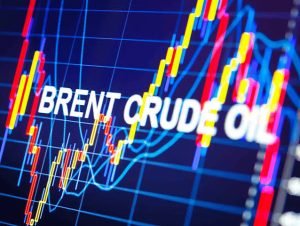
Nevertheless, the cumulative tightening of supply has driven global prices for both polyethylene and polypropylene up by more than 50% since March.
**U.S. Manufacturers Capitalize on Global Feedstock Shock**
The combination of surging plastic prices and abundant domestic feedstock has positioned U.S. petrochemical companies to capture market share. High-cost Asian manufacturers have been forced to lower capacity utilization rates due to expensive or stranded naphtha shipments. Concurrently, European chemical firms continue to face margin compression from sustained high energy costs.
U.S. producers have posted notable financial gains as a result. Dow reported a 27% year-over-year increase in second-quarter net sales within its Packaging & Specialty Plastics segment, reaching $6.4 billion. According to Dow Chief Financial Officer Jeff Tate, the revenue growth was primarily driven by a local price increase of more than 40% for polyethylene.
Despite these near-term shifts, the fundamental cost structure of Gulf petrochemical production ensures the region will maintain its central position in global polymer supply chains once logistics normalize.