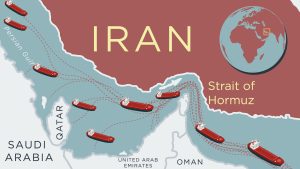
Kuwait Boosts Oil Output to 2 Million BPD Amid Rising Strait of Hormuz Traffic
 admin
admin 
Kuwait has successfully restored its oil production to approximately 2 million barrels per day (MMbpd), reaching about 75% of its pre-war capacity. This recovery comes as a growing number of tankers brave the security risks of navigating the Strait of Hormuz, according to Sheikh Nawaf Al-Sabah, CEO of Kuwait Petroleum Corp. (KPC).
Prior to the outbreak of the conflict in late February, Kuwait was producing around 2.6 MMbpd. Production plummeted below 1 MMbpd during the early stages of the war due to Iranian blockades in the vital waterway. Despite ongoing threats from Tehran, maritime traffic is rising. Sheikh Nawaf emphasized that international commerce remains heavily dependent on the Strait of Hormuz, noting that alternative pipelines and storage facilities cannot fully replace it.
The rebound in Kuwaiti output aligns with broader industry observations of recovering Middle Eastern oil exports, which some financial institutions estimate are nearing pre-war volumes. Despite persistent attacks on ships transiting the contested strait, major Gulf exporters—including Kuwait, Saudi Arabia, and the United Arab Emirates—continue to dispatch cargo.
While KPC is currently meeting its crude supply commitments, Sheikh Nawaf warned of a global shortage of refined petroleum products, pointing out that strategic stockpiles remain at critical levels. He linked the emergency release of strategic diesel and jet fuel reserves in Europe directly to the disruption of Kuwaiti exports, as the nation was previously a major supplier of these products to the European market. He clarified that Kuwait’s refineries remain fully operational, and the primary bottleneck remains the restricted freedom of navigation through the strait.
To mitigate shipping constraints, more international buyers have agreed to send their own vessels to collect cargo from Kuwait. Simultaneously, KPC is looking to expand its proprietary shipping capacity beyond its current fleet of 29 tankers, emphasizing the strategic advantage of owning its transport vessels.
Despite the ongoing geopolitical challenges, Sheikh Nawaf confirmed that Kuwait’s long-term energy projects remain on schedule. The country is on track to raise its total oil production capacity from 3 million bpd to 4 million bpd by 2035. Additionally, Kuwait is evaluating new pipeline routes, including potential pathways through Saudi Arabia and the UAE.