Liberia’s Readiness for Responsible Upstream Investment
By H.E. Joseph Nyuma Boakai, President of the Republic of Liberia For more than seventy years, companies have searched for hydrocarbons offshore Liberia. From the first seismic surveys in the […]
The post Why Liberia Is Ready for Responsible Upstream Investment appeared first on Energy Capital & Power.
 admin
admin 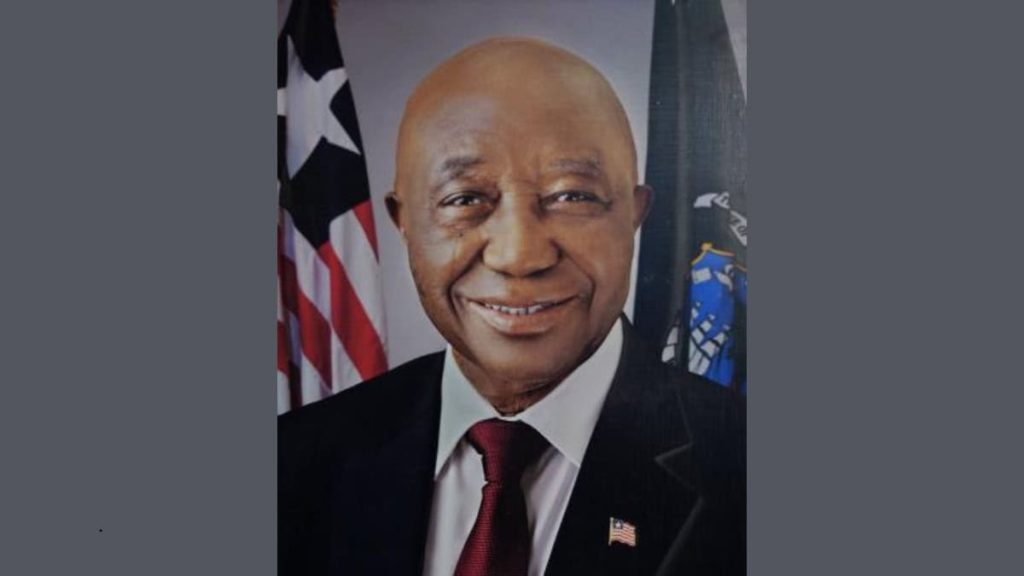

An Op-Ed by H.E. Joseph Nyuma Boakai, President of the Republic of Liberia
Offshore hydrocarbon exploration in Liberia spans more than seven decades, beginning with early seismic mapping in the 1950s and continuing through major exploratory drilling in subsequent decades. Time and again, the basin has exhibited encouraging geological attributes, with wells confirming hydrocarbon presence alongside major regional discoveries along the West African Transform Margin. Despite these promising indicators, Liberia has yet to enter the phase of commercial production.
Today, Liberia stands on the threshold of a new era—one driven not by shift in geology, but by a total transformation of our governance structure.
Historically, exploration activities progressed far faster than the regulatory and legal structures needed to sustain them. Civil unrest further disrupted administrative continuity, highlighting the urgent need for a structured, deliberate model for managing public assets. Consequently, Liberia adopted a firm strategy: establish comprehensive legal and administrative foundations prior to initiating utility-scale production.
This governing philosophy underpins our current upstream oil and gas framework. Under the Petroleum (Exploration and Production) Act of 2014, Liberia established a modern statutory architecture alongside the Liberia Petroleum Regulatory Authority (LPRA), an autonomous regulatory body. The LPRA oversees sector administration, contract negotiations, and the lawful allocation of petroleum rights. By codifying these roles, decision-making relies strictly on clear regulations rather than administrative discretion, thereby bolstering investor certainty and protecting the national interest.
Liberia’s licensing paradigm rests on transparency, market competitiveness, and oversight. Petroleum rights can be awarded through open international bidding, direct negotiations, or state equity participation via the National Oil Company of Liberia (NOCAL). Regardless of the chosen pathway, all processes adhere to identical statutory requirements. Final approval of any petroleum contract mandates joint authorization from both the LPRA and the Ministry of Finance and Development Planning, ensuring full technical, legal, and fiscal alignment before execution.
State participation remains a key feature of Liberia’s upstream strategy. Through NOCAL, the nation maintains direct equity in resource extraction. Crucially, functional boundaries remain distinct: the LPRA retains sole regulatory jurisdiction over licensing and contract negotiations pursuant to the Petroleum Act, maintaining a clear separation between state commercial interests and regulatory oversight.
This intentional framework safeguards regulatory integrity while offering international investors a predictable, legally sound operating environment. Liberia has absorbed critical lessons from global resource governance, where rapid development often outpaced administrative capacity—resulting in institutional instability and public mistrust. Liberia has chosen a proactive path by securing its regulatory and legal foundation beforehand.
This institutional readiness is already yielding tangible results. Liberia is actively re-engaging international energy markets and reopening offshore blocks under updated licensing terms, reflecting international confidence in our regulatory predictability.
Looking ahead, our broader economic objective is to channel future sector revenue into comprehensive national development, energy security, and infrastructure expansion. Furthermore, in the context of the global energy transition, Liberia emphasizes long-term value creation, environmental stewardship, and sustainable economic impact for its citizens.
To global energy partners, Liberia offers both prospective geology and a stable, rules-based investment environment. We welcome responsible companies to explore our offshore potential within a modern, transparent framework aimed at mutual growth.
For additional details on current opportunities, visit: https://lpra.gov.lr/liberia-2026-licensing-round/