Saudi Arabia Suspends Energy Operations Following Houthi Attacks
 admin
admin 
Saudi Arabia has suspended operations at multiple southern energy installations following a series of Houthi drone and missile strikes that ignited several fires. The disruptions have intensified global oil supply anxieties as Brent crude prices edge closer to the $100-per-barrel mark.
According to a statement from the Yemeni group’s military spokesperson, the Houthis launched ballistic missiles and drones at Saudi Aramco assets in Jazan, Abha, and Najran. The Saudi energy ministry confirmed the outbreaks of fire at multiple undisclosed facilities, noting that emergency teams were working to control the blazes.
Although the affected sites primarily support domestic distribution, the recurrent strikes on Jazan—which hosts a major 400,000-barrel-per-day refinery—are raising alarms in international oil markets.
The Jazan refining complex has faced repeated targeting since the Houthis threatened a blockade on Saudi oil exports in July. The facility was temporarily closed following an attack shortly after that warning and has been struck at least twice since. Additionally, maritime assets have been targeted, including a supertanker in the Red Sea.
The facilities in Abha and Najran are integral components of Saudi Aramco’s domestic distribution network, serving local energy demand. Saudi authorities reported that the recent wave of strikes across four cities near the Yemen border left 73 people injured.
In a market analysis, Goldman Sachs noted that energy markets are increasingly factoring in a protracted Middle East conflict. The bank raised its oil price projections due to anticipated shipping disruptions extending into 2027, highlighting that price risks remain heavily weighted to the upside.
The escalation coincides with heightened tensions between the United States and Iran. Tehran recently restructured its military strategy around an “offensive doctrine,” with senior security official Mohsen Rezaee warning of a more confrontational stance toward American forces in the region.
The broader conflict, which intensified following U.S. and Israeli military strikes, has persisted for over six months. U.S. President Donald Trump stated that crude prices would experience a sharp decline once regional hostilities subside, directly tying the recent price surge to the ongoing instability.
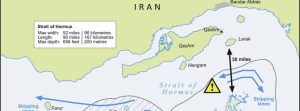
These latest security incidents introduce further supply vulnerabilities to a market already grappling with shipping bottlenecks in the Strait of Hormuz, pushing Brent crude prices upward as traders anticipate potential prolonged disruptions.