Oil Prices Rise as Iran Vows to Keep Strait of Hormuz Closed
 admin
admin 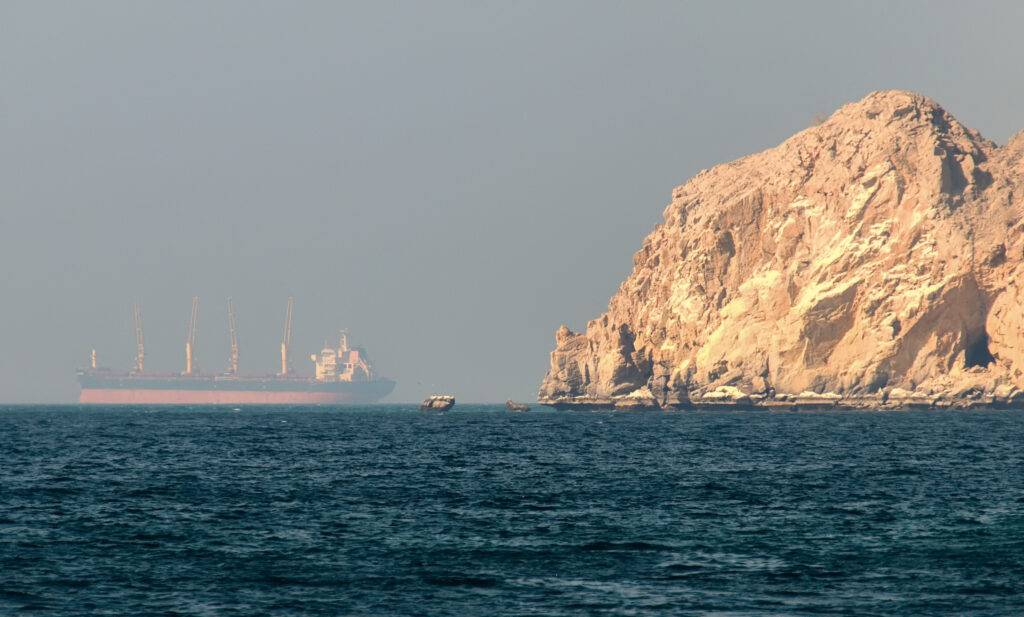
Oil prices climbed to a one-week high on Tuesday as fading expectations for a U.S.-Iran peace agreement intensified worries over prolonged supply disruptions in the Middle East.
Brent crude futures gained $1.19, or 1.4%, to settle at $88.91 a barrel, while U.S. West Texas Intermediate (WTI) crude advanced by $1.07, or 1.3%, to finish at $83.20. These settlements marked the highest levels for both benchmarks since July 31, following a 5% surge on Monday as optimism for a diplomatic resolution deteriorated.
Mohsen Rezaei, the newly appointed secretary of Iran’s Supreme National Security Council, stated on Tuesday that the Strait of Hormuz will remain closed unless the U.S. alters its stance and satisfies Iran’s conditions to resolve the conflict. Prior to the outbreak of the war on February 28, approximately 20% of the world’s oil supply navigated through the strategic waterway.
Rezaei’s remarks suggest that any agreement brokered in Oman regarding the strait will not lead to an immediate resumption of shipping unless Washington adheres to the commitments outlined in a June memorandum of understanding aimed at ending the conflict.
Shipping tracking data indicated that only six vessels transited the Strait of Hormuz on Monday, compared to a recent 10-day average of 11. Prior to the conflict, daily traffic through the passage ranged between 125 and 140 vessels.
Tensions elsewhere in the region also escalated. Yemen’s Iran-aligned Houthi movement reportedly targeted a Saudi vessel transporting military equipment in the Bab el-Mandeb strait. Additionally, sources reported a suspected U.S. missile strike on a container ship off the coast of Pakistan.
The U.S. Energy Information Administration (EIA) noted on Tuesday that several Middle Eastern producers may face difficulties restoring oil production to pre-war levels by the end of 2027, even if shipping routes normalize by early next year.
Libyan Disruptions and Global Supply Pressures
In North Africa, escalating violence in the strategic Libyan city of Zawiya has threatened production. Libya’s state-owned National Oil Corporation warned it may declare force majeure if drone strikes targeting energy infrastructure in the area persist.
Meanwhile, the Abu Dhabi National Oil Company issued its eighth spot crude tender since June as the United Arab Emirates continues efforts to transport crude from locations inside the Strait of Hormuz.
In Europe, geopolitical tensions continued to impact energy markets. Ukraine’s military announced a strike on an oil refinery in the Russian city of Orsk, a major industrial hub in the Orenburg region. The combination of Ukrainian drone strikes on Russian energy facilities and the ongoing conflict involving Iran has restricted global oil supplies, driving Brent crude prices up roughly 44% year-to-date.
U.S. Inventory Data
Market participants are awaiting weekly inventory data from the American Petroleum Institute (API) on Tuesday and official figures from the EIA on Wednesday. Analysts project a draw of approximately 0.5 million barrels of crude from U.S. storage for the week ending August 7.