Hormuz Supply Uncertainty Puts Oil Prices on Track for Weekly Gain
 admin
admin 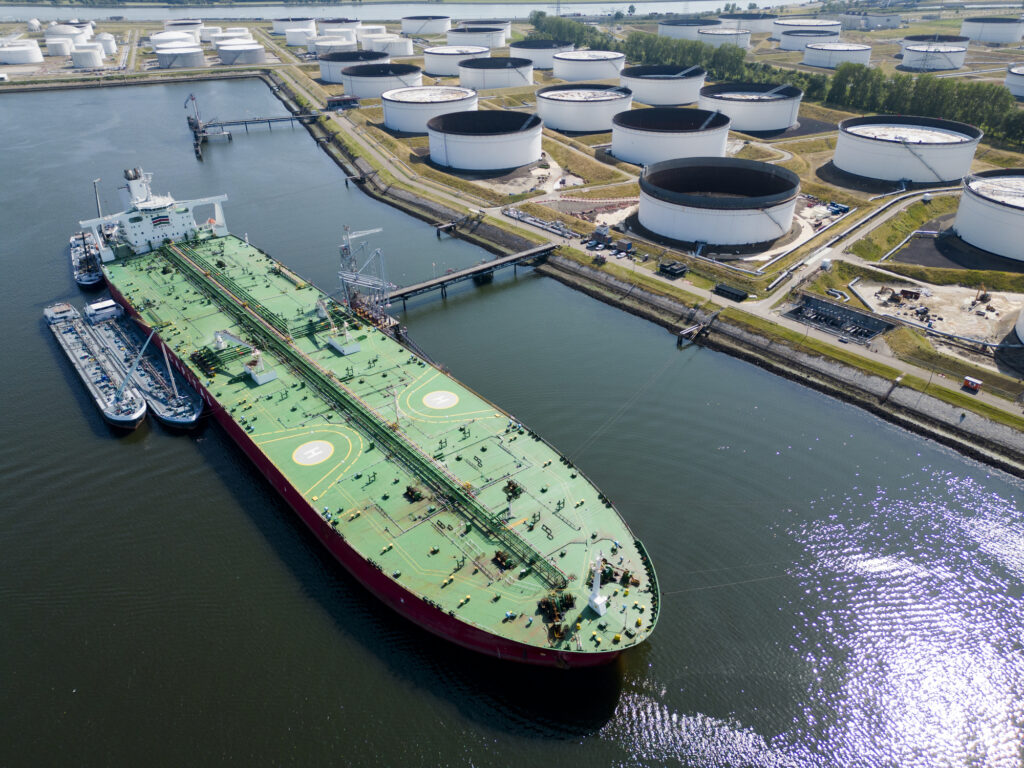
By mid-morning Eastern Time, global oil benchmarks experienced minor declines, with Brent crude slipping 0.2% to $86.84 per barrel and WTI dropping 0.4% to $80.91 per barrel. Despite these daily dips, both futures contracts were on track for a weekly gain of approximately 5%.
A primary driver of oil prices this year has been the effective closure of the Strait of Hormuz. This vital maritime corridor previously handled about 20% of the world’s oil and liquefied natural gas before the outbreak of the Iran war in late February.
Tensions in the region were highlighted on Friday when the United Kingdom Maritime Trade Operations (UKMTO) reported that a tanker was struck by a drone while trying to exit the strait. According to the UKMTO, the vessel suffered minor damage, the crew was safe, and no environmental damage occurred. However, the agency advised transiting vessels to exercise extreme caution.
This incident underscores the ongoing standoff between the United States and Iran over the waterway. While Tehran claims full control and has blocked commercial shipping, Washington asserts that it continues to support and facilitate safe passage through the strait.
The U.S. has maintained significant economic and military pressure on Iran. U.S. Defense Secretary Pete Hegseth stated that the American naval blockade of Iranian ports could be sustained indefinitely, a presence that has reportedly severely impacted Iran’s economy. Additionally, Treasury Secretary Scott Bessent warned of impending historic economic sanctions designed to isolate the country further.
President Donald Trump expressed confidence that these aggressive economic measures would ultimately compel Iran to meet U.S. demands, which include halting its nuclear program and fully reopening the Strait of Hormuz. Despite depleted U.S. weapons stockpiles and a lack of diplomatic progress, Trump maintained that financial pressure would force a cash-strapped Iran to negotiate.
In response, Iran is advancing its own countermeasures. Reports indicate that Iran’s Parliamentary Committee on Councils has drafted a strategic plan for the Strait of Hormuz, which includes banning vessels and equipment from the U.S., Israel, and other designated “hostile countries.” A committee spokesperson justified the proposed ban by accusing these nations of using the waterway to launch aggressive actions against Iran.
While supply anxieties continue to support prices, the weekly gains for crude were capped by downgraded demand forecasts from both OPEC and the International Energy Agency. Both organizations warned that high prices, limited supply, and slowing economic growth are expected to stifle global oil demand in the near term.