Canada Fast-Tracks Oil Pipeline to Reduce Economic Reliance on US
 admin
admin 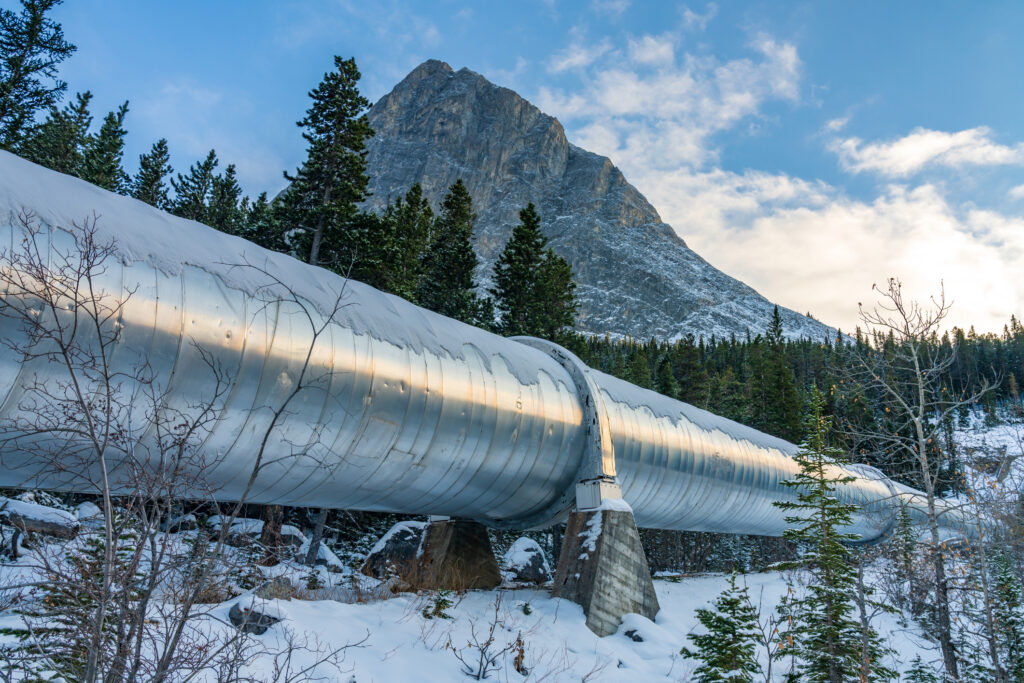
**Canada Accelerates Approval for New West Coast Oil Pipeline to Reduce U.S. Economic Dependence**
In an effort to diversify its trade partnerships and counter the impact of U.S. tariffs, Canada will fast-track the regulatory process for a proposed west coast crude oil export pipeline, Prime Minister Mark Carney announced on Thursday.
First introduced in July, the Pacific Link pipeline project is projected to boost Canada’s GDP by more than C$20 billion ($14 billion) annually. To expedite development, the federal government will designate the project as being of “national interest,” allowing it to undergo a single, streamlined federal regulatory review. Ottawa aims to finalize this review process by September 1, 2027.
Speaking to reporters in Fort McMurray, the center of Alberta’s oil sands, Carney emphasized that the pipeline is vital to the country’s long-term economic strategy. “A pipeline to the west coast is part of our mission to transform our economy, to double our non-U.S. exports over the next decade… (and) to unlock our full potential as a global energy superpower,” Carney said.
According to government estimates, the 1-million-barrel-per-day pipeline will support 140,000 jobs, generate over C$20 billion in annual GDP, and bring in C$100 billion in government revenue by 2060.
Currently, Canada relies on a single east-west export route: the Trans Mountain pipeline. Although its expansion was completed in 2024 to bring capacity to 890,000 barrels per day, that line is already operating at full capacity. Historically, over 90% of Canadian crude exports have been directed to the United States. The new Pacific Link pipeline would allow Canada to establish itself as a major global supplier, particularly to top Asian importers looking to diversify their energy sources away from the Middle East amid ongoing conflict with Iran.
The pipeline will be developed by the state-owned Trans Mountain Corp in partnership with Pembina Pipeline Corp. The province of Alberta estimates the total construction cost will fall between C$35.2 billion and C$43.7 billion.
The federal government and the Alberta provincial government will hold majority ownership of the pipeline, while Indigenous communities will be offered at least a 10% equity stake.
Historically, major pipeline developments in Canada have run into fierce resistance from environmental organizations and Indigenous groups, which has previously led to project cancellations, significant cost overruns, and multi-year construction delays.