Wright Cautions Oil Markets Against Hoping for Iran-Hormuz Breakthrough
 admin
admin 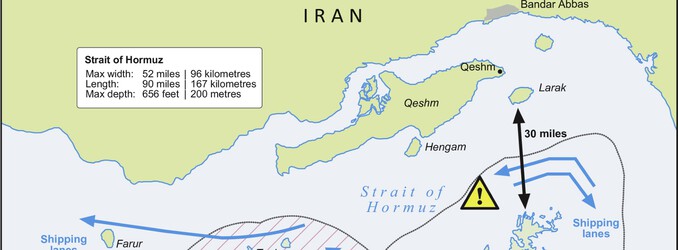
U.S. Energy Secretary Chris Wright has warned oil markets not to count on a diplomatic breakthrough regarding the Strait of Hormuz, downplaying Iran’s upcoming proposal to Gulf nations for safe passage through the vital energy chokepoint.
“Counting on a consensual agreement with Iran today is certainly not a good bet,” Wright stated in a Sunday interview, noting that the global market must continue to rely on alternative transit routes, which currently handle about 10 million barrels per day of crude and petroleum products. While describing the global oil market as “tighter than we’d like,” he added that it is “not overly tight.”
Wright’s comments come just ahead of Iran’s scheduled announcement in Oman regarding a proposed temporary shipping lane. This proposal follows a rare round of regional diplomacy, including direct discussions between Iranian officials and Abu Dhabi.
Speaking from Vienna ahead of the International Atomic Energy Agency’s (IAEA) annual general conference, Wright delivered a sharp warning regarding Tehran’s nuclear ambitions, asserting that the program would end “one way or another.”
“We prefer to negotiate,” Wright told Bloomberg News. “Or, they can continue to have a covert, buried, lied-about, hidden nuclear weapons program and face the U.S. military, which will assure they do not develop nuclear weapons.”
The warning follows a U.S.-led IAEA motion referring Iran back to the UN Security Council. International inspectors have been barred from verifying Iran’s highly enriched uranium stockpiles since June 2025, following military strikes on its nuclear infrastructure by Israel and the U.S. Wright called the lack of inspectors and visibility “another level of noncompliance” that remains highly concerning.
IAEA Director General Rafael Mariano Grossi recently confirmed reports of suspicious activity at Pickaxe Mountain, a heavily fortified Iranian site. While Grossi noted visible movement around the construction area, he stated the agency lacks concrete details on the specific activities occurring inside.
The U.S. and Israel continue to demand that Iran dismantle its uranium-enriching centrifuges. Wright suggested that Iran could import nuclear fuel from external sources instead, allowing the nation to “join the community of nations again.”
Meanwhile, Wright indicated that the U.S. is finalizing long-term uranium production and partnership agreements to secure its domestic supply chain. The U.S. nuclear sector, which generates roughly 20% of the country’s electricity, still relies heavily on foreign uranium imports.