Gulf States and Iran Consider Talks to Reopen Strait of Hormuz
 admin
admin 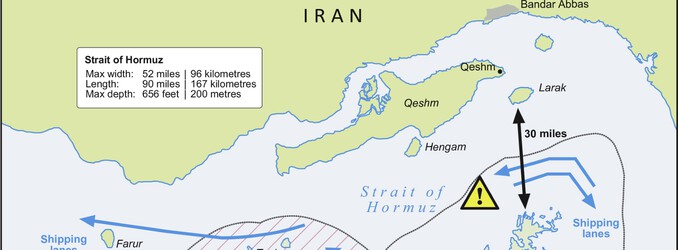
Gulf nations are considering a meeting with Iranian representatives next week to address the ongoing crisis in the Strait of Hormuz, which continues to disrupt regional energy exports.
Oman is attempting to organize a gathering of foreign ministers from Iran and the six Gulf Cooperation Council (GCC) nations on Monday in Salalah. However, the meeting remains unconfirmed, and rising tensions between Saudi-backed forces and Iran-aligned Houthi rebels in Yemen could derail the plans. It is also uncertain if all GCC members—which include Saudi Arabia, the UAE, Qatar, and Oman—will participate.
Tehran is demanding continued control over the strait and has spent weeks negotiating a maritime traffic framework with Oman. This proposal includes charging transit fees to vessels passing through the waterway, an idea strongly opposed by both the U.S. and Gulf nations.
The diplomatic efforts coincide with Houthi advancements toward Red Sea coastal zones near the Bab el-Mandeb Strait, threatening a second vital shipping lane. This development is particularly concerning for oil markets, as Saudi Arabia had previously bypassed the restricted Strait of Hormuz by piping crude to western export terminals. Continued Houthi missile and drone strikes on Saudi energy infrastructure further heighten the risk of supply disruptions.
Oil prices rose this week as hopes for a swift resolution to the U.S.-Iran conflict faded. Despite a 3% drop on Friday to around $104 a barrel following a weak demand forecast from the International Energy Agency, Brent crude is still headed for its largest weekly gain since July.
The Strait of Hormuz has been largely shut down to standard shipping since U.S. and Israeli military strikes on Iran began in late February. While Washington demands the restoration of free passage, Tehran refuses to yield control.
Recently, some ships have resumed transiting the strait under the cover of night and with U.S. military escorts. Meanwhile, Saudi Arabia and the UAE continue to divert a portion of their crude exports through bypass pipelines. A dual blockade of both the Bab el-Mandeb and Hormuz straits would severely bottleneck Middle Eastern oil exports and strain alternative transit routes.