U.S. Seeks Revised LNG Safety Regulations to Expedite Export Projects
 admin
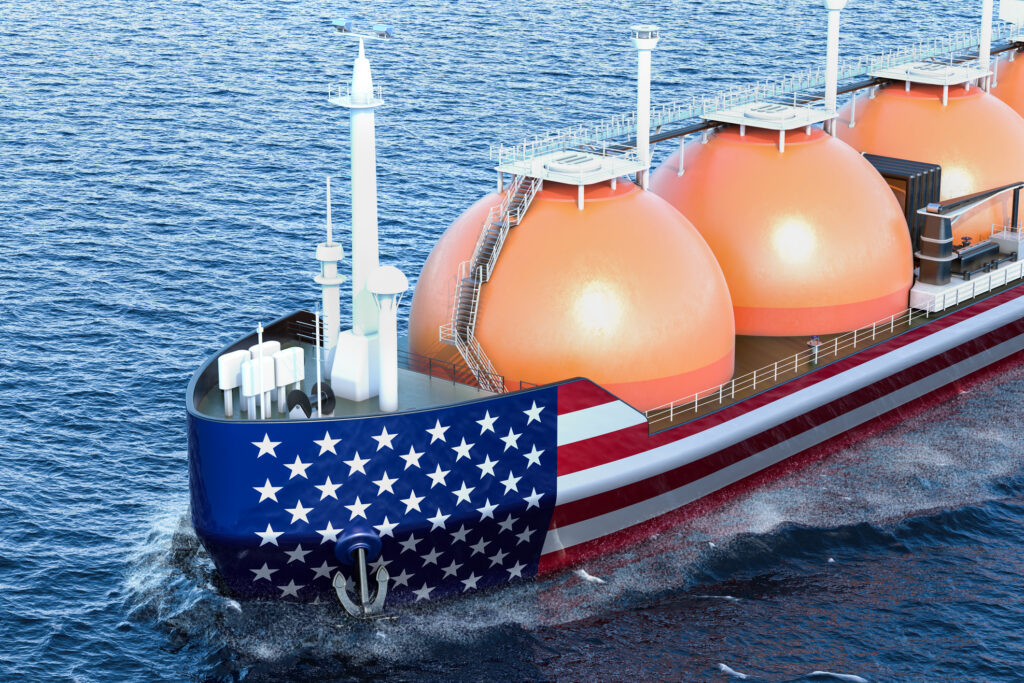
Proposed updates to federal safety standards for liquefied natural gas (LNG) infrastructure were introduced on October 28 by the U.S. Department of Transportation. Issued through the Pipeline and Hazardous Materials Safety Administration (PHMSA), the initiative aims to cut operating expenses and expedite project timelines as the nation prepares to broaden its reach in global energy markets.
The PHMSA proposal updates safety codes by integrating current National Fire Protection Association benchmarks. These revisions apply to facility siting, engineering, structural assembly, and daily operations, offering developers enhanced flexibility to implement modern technology.
Transportation Secretary Sean Duffy noted that these modernized rules could generate roughly $100 million in yearly savings for industry operators while maintaining core safety measures. This figure reflects preliminary agency projections, as the framework remains a proposal awaiting final authorization.
The regulatory shift arrives while the United States maintains its role as the world’s leading LNG exporter. Projected expansions, fueled by current construction and upcoming financial commitments, are set to increase annual domestic export capability by nearly 100 million metric tons before 2030.
At the same time, international energy markets have faced heightened volatility due to geopolitical tensions. Middle Eastern supply disruptions connected to the conflict with Iran have prompted global consumers to seek alternative sources and broaden their supply contracts.
American energy firms have capitalized on this demand, committing capital to new infrastructure. Projects accounting for over 50 million metric tons of yearly volume have received final investment decisions since early 2025. Industry leaders such as Cheniere Energy and Venture Global are advancing further project phases in response to federal initiatives prioritizing domestic energy growth.
Despite regulatory adjustments, builders still encounter notable operational and financial hurdles. Expanding LNG capacity requires Federal Energy Regulatory Commission (FERC) permits, thorough environmental assessments, secured funding, and resilience against potential litigation. Timelines remain subject to construction costs, component availability, pipeline access, and long-term supply agreements.
The reliance on regulatory approval is highlighted by Delfin LNG’s floating export initiative. The facility’s feeder pipeline has not yet secured public PHMSA clearance to restart operations following an explosion earlier in the year.
In a related move, FERC introduced a streamlined framework to expedite reviews for specific upgrades and capacity expansions at active LNG terminals, establishing pathways for automatic authorizations and reduced evaluation periods.
For market participants, these combined agency efforts may offer clearer operational timelines and lower overhead, though overall financial effects will vary by facility. Expanded export terminals are anticipated to boost demand for domestic natural gas, particularly from basins linked to Gulf Coast hubs. Midstream service providers, equipment suppliers, and industrial builders also stand to gain from sustained capital expenditure.
However, elevated export volumes could link domestic fuel prices more directly to global market shifts, creating contrasting outcomes for upstream producers, public utilities, and industrial end-users. Stakeholders will be watching the finalization of PHMSA rules, FERC permitting updates, capital allocation decisions, and the commercial startup schedules of proposed terminals.
***
**Disclaimer**
This article is for informational purposes only and does not constitute financial, legal, or investment advice. The views expressed are based on market conditions at the time of writing and are subject to change without notice.