GE Vernova Secures $9 Billion Grid Acquisition to Meet Rising Power Demand
 admin

(Oil & Gas 360) – GE Vernova has agreed to buy Trench Group, a maker of high-voltage components, from Triton Partners for $9 billion. The deal enhances GE Vernova’s transmission capabilities amid accelerating global electricity demand driven by data centers, industrial electrification, and natural gas expansion. Alongside the announcement, the company raised its 2026 revenue target for the third time following strong Q3 results.
The transaction will integrate Trench’s specialized high-voltage transmission components into GE Vernova’s Electrification division. Expected to close in late 2027 pending regulatory approvals, the purchase will be funded equally using cash and debt. Trench currently operates 11 plants across Asia, Europe, and North America, employing over 3,000 staff and serving more than 800 utility and power clients.
The acquisition brings in roughly $5 billion in backlog and framework deals. Trench is projected to deliver about $1.9 billion in revenue in 2028 with an adjusted EBITDA margin near 36%, while generating $50 million to $100 million in annual cost savings by 2030.
Additionally, the deal boosts U.S. grid manufacturing capacity. Trench’s plant in Charlotte, North Carolina, plans to start producing 765-kilovolt equipment by late 2027 to support domestic high-voltage infrastructure.
GE Vernova’s Q3 revenue rose 27% year-over-year to $12.6 billion, while adjusted EBITDA reached $1.94 billion, beating analyst estimates. Total orders jumped 96% to $29.3 billion, pushing total backlog to $197 billion. Electrification sales grew 51%, and Power equipment orders nearly tripled due to high demand for gas turbines.
Consequently, the 2026 revenue forecast was upgraded to $46.5–$47.5 billion (up from $45.5–$46.5 billion), and annual free cash flow expectations were raised to $16–$17 billion. The company also expanded its share buyback program to $20 billion.
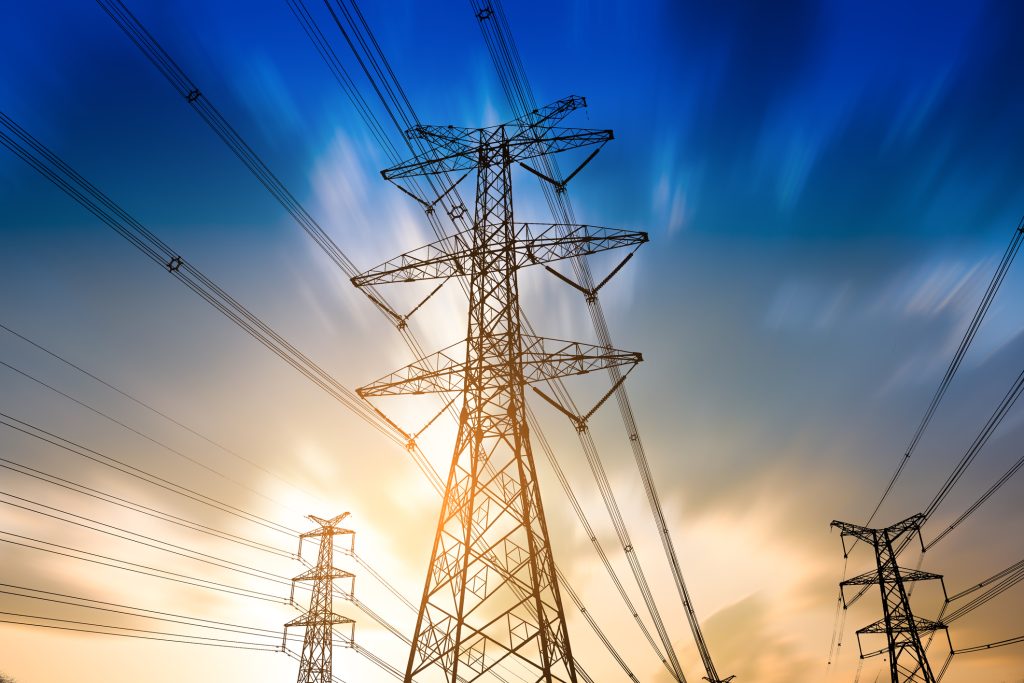
With the global high-voltage market projected to hit $130 billion by 2030, the deal underscores the critical link between rising power generation and the necessary grid infrastructure—including transformers and substations—required to support it.
Disclaimer
This informational, opinion, and insights article is provided for informational purposes only and does not constitute investment, legal, or financial advice. The views expressed are based on publicly available information and market conditions at the time of publication and are subject to change without notice.