S&P Global Projects Record Canadian Oil Sands Output of 3.5 Million BPD by 2026
 admin
admin 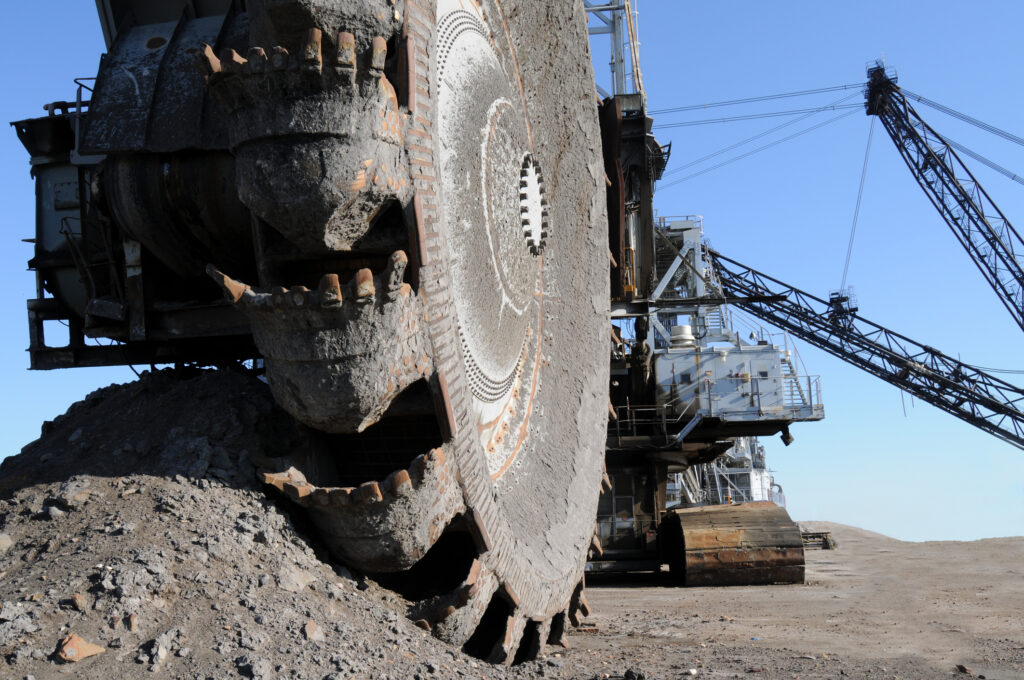
Canada’s oil sands production is projected to reach an unprecedented average of 3.5 million barrels per day (MMbpd) in 2026, representing a 3% increase—or roughly 100,000 bpd—from 2025 levels, according to the latest 10-year outlook from S&P Global Energy.
Output is anticipated to keep rising, hitting approximately 3.9 MMbpd by the early 2030s before plateauing. This continues a massive upward trajectory from 2001, when production stood at just 300,000 bpd, with 2020 being the sole year of decline due to the COVID-19 pandemic.
While the projected growth for 2026 is driven primarily by optimizing current operations, S&P Global notes that improving investment conditions could spur new construction, offering further upside to long-term forecasts.
“The question today is not whether the oil sands will continue to grow, but rather how much additional growth could come should new projects once again come forward,” said Kevin Birn, Chief Canadian Oil Markets Analyst at S&P Global Energy.
Key drivers that could stimulate future investment include proposed expansions in pipeline export capacity, evolving carbon pricing policies, accelerated regulatory reviews for projects of national interest, and potential adjustments to fiscal terms.
Unlike low-cost optimization, launching new projects demands substantial capital and extended timelines. S&P Global emphasizes that project competitiveness, investor sentiment, and the specifics of the upcoming Canada-Alberta implementation agreement will heavily influence whether these new developments proceed.
Though S&P’s baseline forecast shows production leveling off at 3.9 MMbpd in the early 2030s, the firm estimates that an extra 500,000 bpd of capacity could realistically be unlocked beyond current projections.
“This estimate is what we expect would be the most attractive and expedient projects,” said Celina Hwang, Director, Canadian Crude Oil Markets at S&P Global Energy. “Given the right conditions and time, the potential could be greater.”