QatarEnergy’s LNG Expansion Project Set to Launch in November, Sources Say
 admin
admin 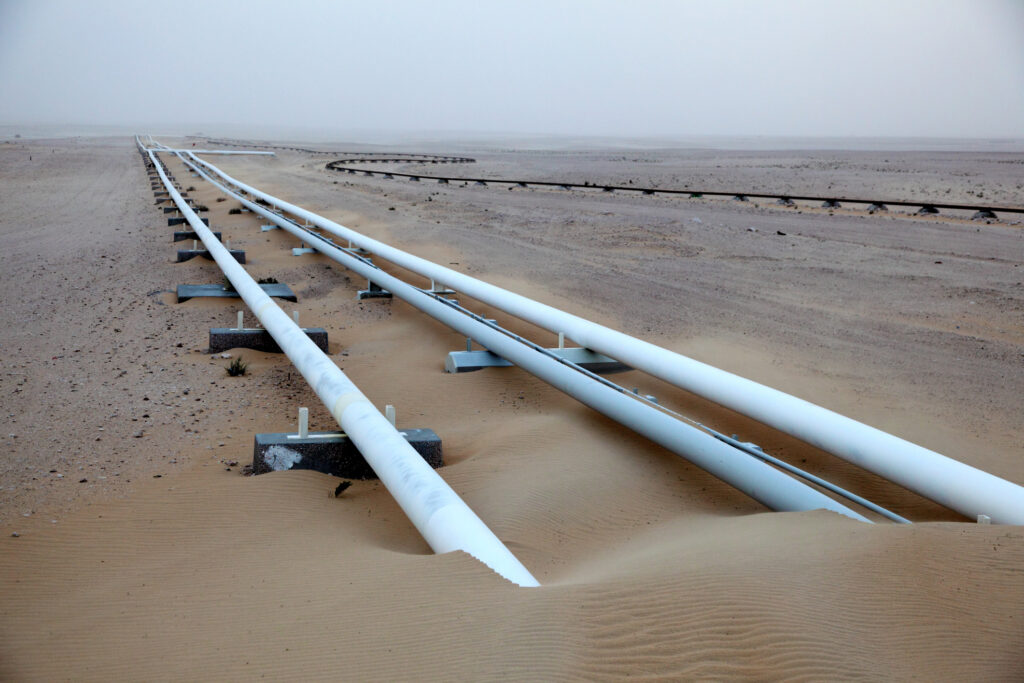
**Gulf Oil Producers Call on Importers to Co-Fund Hormuz Bypass Routes and Storage**
Top executives from major Gulf oil corporations are urging international consumers and partners to help fund new transport routes and expanded storage facilities outside the Persian Gulf to mitigate the risks of bypassing the Strait of Hormuz.
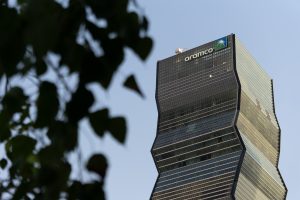
Speaking at the 2026 Energy Intelligence Forum in London, Saudi Aramco CEO Amin Nasser emphasized the shared global responsibility of protecting energy supply chains. “While the Kingdom is capable and confident, and its systems are coping, no country should face this alone,” Nasser stated. He warned that disruptions carry a global toll on energy security and markets, adding, “oil and gas infrastructure is not a cost to be minimized or avoided; it is a collective necessity for producers and consumers alike.”
Similarly, Kuwait Petroleum Corporation (KPC) CEO Sheikh Nawaf Saud Al-Sabah revealed that Kuwait is negotiating with European partners to establish refined product storage closer to European markets. “We want to be in that position where we’re providing you the distillates and you also need to make those logistical investments ready so that we can store,” Al-Sabah said.
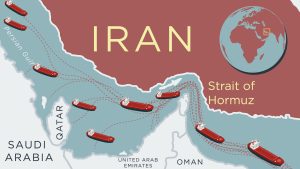
The push for external infrastructure comes amid severe regional disruptions. Since the outbreak of conflict in late February and Iran’s subsequent closure of the Strait of Hormuz, Gulf producers have scrambled for alternative logistics. Some have resorted to using smaller shuttle tankers to move crude outside the Strait to offshore hubs in Fujairah or Oman, where it is transferred to larger carriers.
While Saudi Arabia initially redirected its crude flows to the Red Sea via its East-West pipeline, that route was temporarily halted last month for two weeks of repairs following a drone attack on its pumping stations. Meanwhile, Kuwait is actively seeking overseas storage sites, and Iraq is exploring a $15 billion, four-year project to revive a defunct pipeline through Syria to reach the Mediterranean coast.