Supertanker Rates Retreat From Peak Highs
 admin
admin 
Rates for chartering supertankers have pulled back slightly after reaching unprecedented peaks earlier this month. Data from the Baltic Exchange indicates that the cost to charter a Very Large Crude Carrier (VLCC) from the U.S. Gulf Coast to China fell to $634,974 per day, down from a record high exceeding $637,000 on October 8. These elevated freight costs have started to dampen buyer interest in U.S. crude across Asian markets.
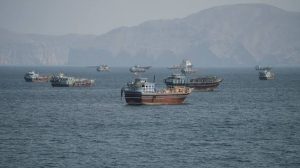
The surge in shipping costs stems largely from operational adjustments by Middle Eastern producers reacting to security concerns around the Strait of Hormuz. Producers have increasingly relied on smaller shuttle vessels to navigate the strait and execute ship-to-ship (STS) transfers in the Gulf of Oman. This practice has severely reduced the availability of open tonnage, driving daily charter rates for Middle East-to-Asia routes up to $1.4 million earlier in the month.
Industry analysis highlights that VLCC freight rates along key corridors—such as the U.S. Gulf Coast to China and Fujairah to Asia—have surged by as much as 300%. While these high transport costs pose a headwind to trade, market experts note that ongoing geopolitical risks and potential disruptions near the Strait of Hormuz will force Asian buyers to continue sourcing Atlantic Basin crude despite closed arbitrage windows.
Market observers point out that the ongoing geopolitical tension has evolved from an initial crude supply shortage into a refined products issue, and now into a widespread shipping capacity crisis.