Israel Completes Pipeline to Boost Leviathan Gas Exports to Egypt Under $35 Billion Deal
 admin
admin 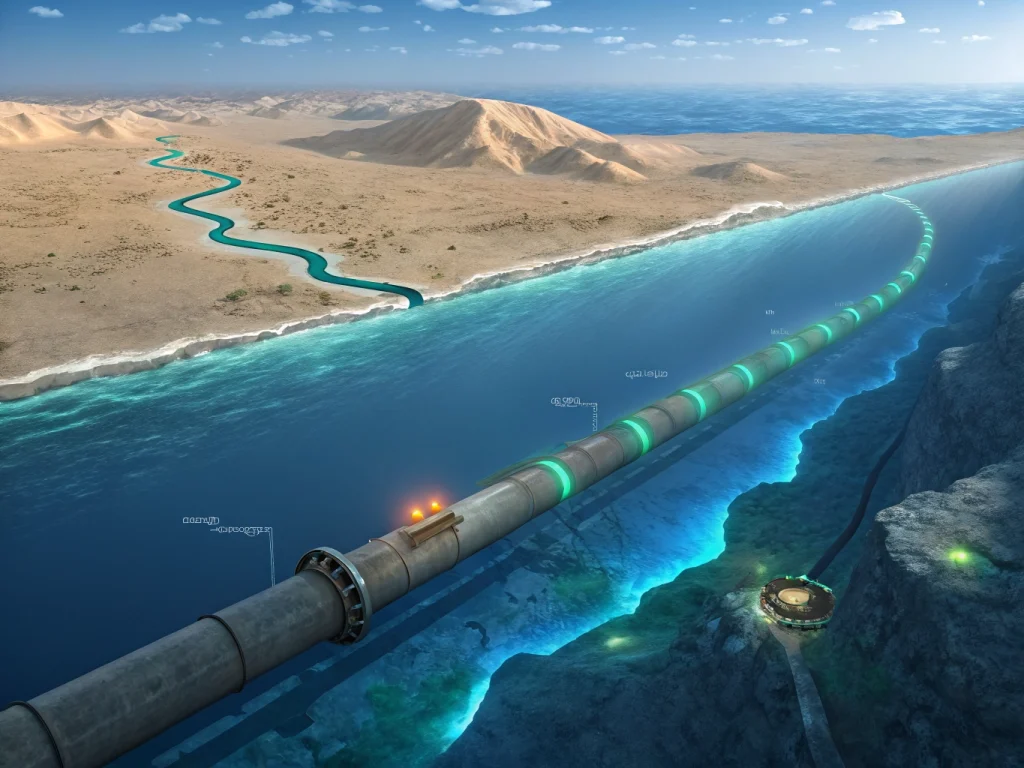
Israel has completed a key subsea pipeline connecting Ashdod and Ashkelon, marking a major milestone in expanding natural gas exports from the Leviathan gas field to Egypt under a long-term supply agreement valued at approximately $35 billion.
The newly commissioned 46-kilometre offshore pipeline, built by Israel Natural Gas Lines (INGL), increases the capacity of the East Mediterranean Gas (EMG) pipeline network to approximately 8.5 billion cubic metres (bcm) of gas per year. The upgrade allows greater volumes of gas to flow from the Chevron-operated Leviathan field into Egypt.
With the new infrastructure now operational, the first phase of the export expansion can begin. Gas deliveries to Egypt are expected to increase from about 4.7 bcm annually to approximately 6.7 bcm, following the completion of both the subsea pipeline and a third gathering pipeline linking the Leviathan field to its offshore production platform.
The gathering pipeline, completed earlier this year, increased Leviathan’s total production capacity to around 14 bcm per year, providing the additional supply needed to support higher exports.
The export expansion forms part of a long-term agreement signed in 2025 between the Leviathan partners and Blue Ocean Energy. The deal provides for an additional 130 bcm of natural gas to be supplied to Egypt over the life of the contract and is expected to generate around $35 billion in revenue.
A second phase of the agreement aims to further increase exports to between 11.9 bcm and 12.9 bcm per year. However, this stage remains subject to additional infrastructure development, including the planned Nitzana pipeline, and the continued expansion of the Leviathan field under its Phase 1B development project.
Earlier this year, the Leviathan partners approved a $2.36 billion investment to begin Phase 1B, which is expected to raise the field’s production capacity to approximately 21 bcm annually when completed in 2029.
The pipeline expansion strengthens Israel’s position as a major regional natural gas exporter while supporting Egypt’s growing role as an energy hub through increased gas imports for domestic consumption and LNG exports.