LNG Tankers Resume Hormuz Transit as Qatar and UAE Battle Supply Shortage
 admin
admin 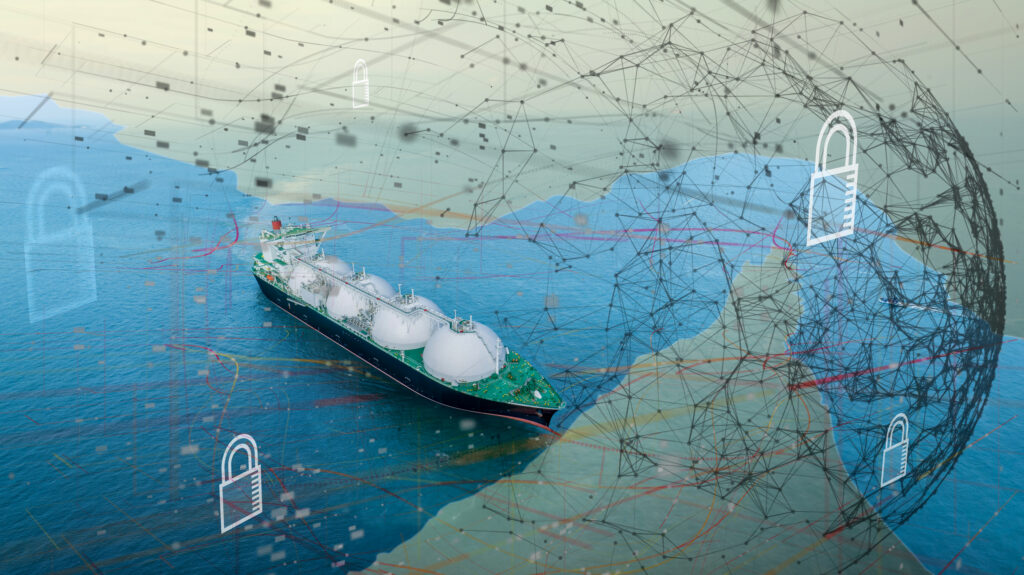
Liquefied natural gas (LNG) shipments are beginning to move through the Strait of Hormuz again. According to vessel-tracking and satellite data compiled by Bloomberg, at least two LNG carriers successfully navigated the vital chokepoint this week, while another two conducted ship-to-ship (STS) transfers just outside the Strait off the coast of Oman.
This increase in activity indicates that major Persian Gulf exporters, particularly Qatar and the United Arab Emirates (UAE), are actively working to resume exports following a six-month period of near-total disruption.
While crude oil shipments through the Strait have rebounded to roughly two-thirds of their pre-war volumes—largely facilitated by tankers running without transponders—LNG shipments have remained virtually halted. Transporting LNG is significantly more complex than crude oil, making the shuttle-and-reload STS transfer strategies that oil exporters have relied on much harder to execute for super-chilled gas. Despite these technical hurdles, satellite imagery has identified at least three LNG ship-to-ship transfers off the Omani coast over the last month.
Prior to the disruptions, an average of three LNG tankers exited the Strait of Hormuz daily. The subsequent six-month supply squeeze has driven natural gas prices in Europe and Asia to their highest levels since the 2022–2023 energy crisis, as global buyers compete for alternative supplies that bypass the Middle East.
With winter approaching and Europe working to secure sufficient gas inventories before December, the global LNG market remains highly vulnerable. Industry analysts and executives warn that if the upcoming winter brings below-average temperatures, low European storage levels and intense competition for spot cargoes between Asian and European buyers could push LNG prices up by another third from their already elevated levels.