Nigeria’s First FLNG Project: UTM Offshore, Seplat Energy, and NNPC Sign Gas Supply Deal
 admin
admin 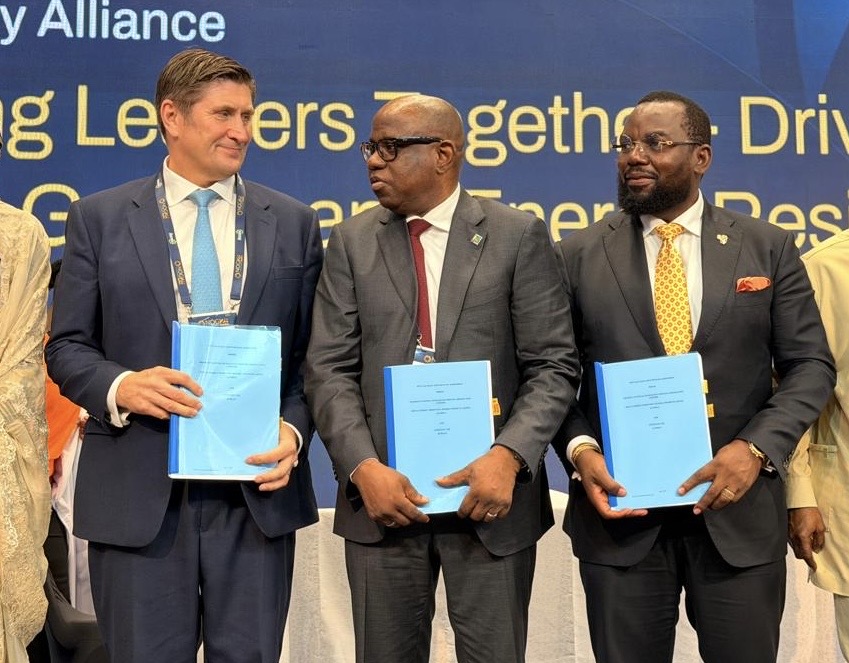
Nigeria’s path toward its first indigenous-led Floating Liquefied Natural Gas (FLNG) project has reached a major milestone. UTM Offshore, alongside Seplat Energy and the Nigerian National Petroleum Company (NNPC), has officially signed a Gas Sales Agreement (GSA). This agreement serves as one of the final commercial requirements before a final investment decision (FID) is made, boosting confidence in a project designed to advance Nigeria’s gas monetization, domestic gas distribution, and LNG export capabilities.
The African Energy Chamber (AEC) has lauded UTM Offshore, the NNPC, and Seplat Energy for securing this landmark deal. The Chamber views the GSA as a crucial advancement in utilizing Nigeria’s deepwater gas reserves through local leadership and strategic alliances. As Africa works to optimize its natural gas assets for industrial growth and energy security, the UTM FLNG project highlights how African enterprises can drive major infrastructure developments that attract capital, generate employment, and enhance the continent’s standing as an LNG exporter.
Located in the deepwater Yoho field offshore Nigeria, the FLNG facility is projected to produce 176 million cubic feet of gas per day once fully operational. Following the completion of engineering and pre-construction phases, the operator is now focused on finalizing the Sale and Purchase Agreement and reaching FID. On the financial front, the project has secured debt financing from Afreximbank, alongside equity backing from the NNPC and the Delta State Government. International engineering firms JGC Holdings and Technip Energies are currently evaluating the EPCIC contract as the project targets its first shipments by 2030.
“The signing of this GSA demonstrates what is possible when indigenous companies, national institutions, and private investors work together toward a shared vision. UTM FLNG is more than an LNG project; it is a blueprint for how Africa can commercialize its gas resources through African leadership, create long-term economic value, and strengthen energy security while supplying cleaner energy to both domestic and international markets,” said NJ Ayuk, Executive Chairman of the AEC.
The progress of the UTM FLNG project aligns with Nigeria’s Decade of Gas Initiative, which aims to transition the country into a gas-powered economy by 2030. This national strategy focuses on curbing gas flaring, expanding energy access, and leveraging Nigeria’s 200 trillion cubic feet of proven gas reserves. The UTM FLNG facility stands as a key pillar of this initiative, boosting export potential and strengthening Nigeria’s role in the global energy landscape.
In addition to international exports, the project is structured to address domestic energy needs. It is slated to supply approximately 300,000 tons of Liquefied Petroleum Gas (LPG) annually to the local market, offering cleaner cooking fuel alternatives and reducing the country’s dependence on imports.
“It’s great to see companies like Seplat Energy come on board for this strategic project. We believe that the FLNG facility will strengthen Nigeria’s position as one of Africa’s leading LNG producers while providing a model for monetizing offshore gas resources across the continent. By combining indigenous ownership, strategic partnerships, and world-class engineering, the project demonstrates how African-led developments can accelerate industrialization, reduce gas flaring, and unlock greater value from the continent’s abundant natural gas resources,” Ayuk concluded.