High Diesel Profits Drive U.S. Refineries Near Full Capacity
 admin
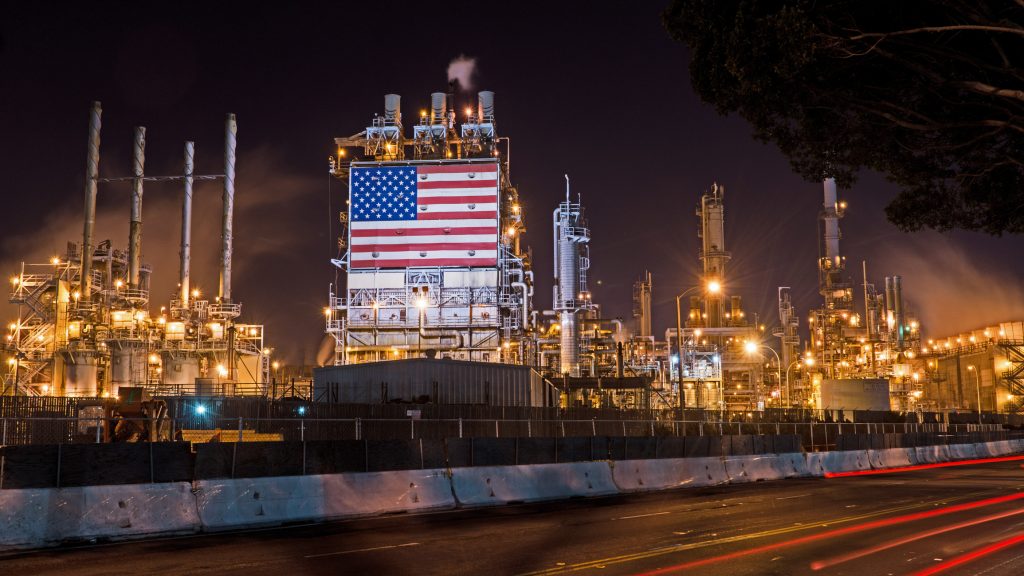
U.S. oil refineries recorded their highest summer operating rates in nearly thirty years as a global shortage of diesel drove up refining profit margins, prompting facilities to maximize fuel output. Based on data released by the U.S. Energy Information Administration (EIA), refinery utilization exceeded 95% between May and September 2026, marking the highest average for those months since 1998.
This intense activity was primarily fueled by strong international demand for refined products, especially diesel. However, total U.S. fuel output only matched 2019 levels due to a 4% decline in domestic refining capacity over the past seven years. This gap underscores the vital role processing infrastructure plays during global fuel supply disruptions.
The EIA noted that reduced refining output in Russia, China, and the Middle East tightened global distillate supplies, boosting foreign demand for American exports and inflating refining margins. Diesel crack spreads—the profit margin between raw crude oil costs and wholesale diesel prices—rose sharply as buyers competed for limited stock. Third-quarter distillate and jet fuel crack spreads were nearly triple their levels from the previous year.
While high profit margins enhance cash flow and profitability for refiners running at peak capacity, operating near maximum output carries operational risks. Running facilities continuously leaves little margin for error, as unexpected outages during times of low inventory can severely impact supply. Refineries must eventually pause operations for scheduled maintenance, safety inspections, and equipment upgrades.
The market dynamics also highlight that abundant crude oil does not automatically translate into ample finished fuel. Diesel supply remains constrained by refining yields, processing capacity, and distribution infrastructure. Consequently, elevated diesel costs are driving up operational expenses for key economic sectors, including trucking, agriculture, construction, and manufacturing.
Furthermore, domestic refiners are balancing local supply needs against lucrative overseas markets. High export volumes support company bottom lines but leave domestic inventories tight; U.S. distillate reserves sat about 13% below their five-year seasonal average in late September.
Although refinery utilization dipped slightly in early October, it stayed above the five-year seasonal norm. Looking ahead, the EIA projects that diesel margins may normalize in 2027, provided global refining operations stabilize and key maritime trade routes, such as the Strait of Hormuz, remain clear. Until then, overall market stability will hinge on refinery reliability, global demand, and stock levels.