SPE ATCE 2026: Hormuz Crisis Shifts Energy Transition Debate Toward “Energy Realism”
 admin
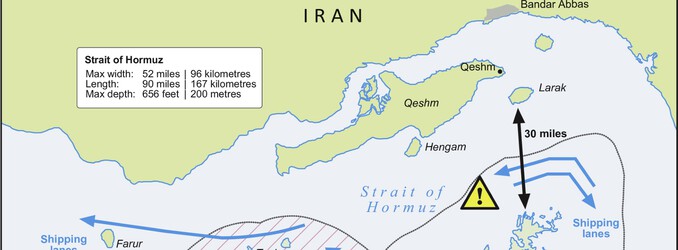
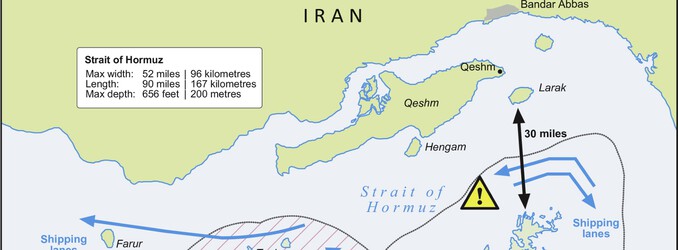
HOUSTON — Middle East supply disruptions can no longer be viewed as brief, temporary events, energy experts warned Thursday during the 2026 SPE Annual Technical Conference and Exhibition (ATCE) in Houston. Panelists emphasized that eight months into an ongoing Persian Gulf crisis, both governments and energy producers must construct long-term defenses against unprecedented operational risks.
The panel, “Energy Realism: Economics, Policy, and the Transition Ahead,” was moderated by Skip York of Rice University’s Baker Institute. Participating speakers included Robert McNally (Rapidan Energy Group), Robert Schwiers Jr. (Chevron), Michael Cohen (bp), and Michelle Foss (L’Acadie Network).
McNally observed that few market observers prior to late February expected the U.S. to tolerate an extended Persian Gulf oil flow disruption, noting that historical military interventions typically restored supply lines within days. He stated that planners must now factor long-term regional instability into future risk assessments, predicting a surge in strategic storage, redundant pipeline infrastructure, rerouted export corridors to the Mediterranean, and expanded production across the Americas.
Chevron’s Schwiers highlighted that while the crisis directly challenges global energy security, overall oil demand outside of immediately affected regions has remained remarkably resilient. However, he cautioned against protectionist government interventions, pointing out that recent export bans in Asia forced local refiners to reduce output and worsened domestic fuel shortages.
Addressing the prolonged closure of the Strait of Hormuz, bp’s Cohen stated that traditional forecasting tools rely too heavily on past trends. He explained that building system redundancy to replace just-in-time delivery models will inevitably raise costs for consumers and governments, driving inflation. Cohen expects major Gulf exporters to establish offshore storage facilities within the next few years to cushion future shocks.
Foss criticized policy decisions that undermine domestic refining and upstream capacities, arguing that reducing European refining infrastructure left the continent particularly vulnerable to diesel deficits during Middle Eastern disruptions. True energy resilience, she argued, requires maintaining robust local refining and production capabilities to handle worst-case scenarios.