BofA: 10-Fold Increase in Tankers Needed to Stabilize Oil Markets via Strait of Hormuz
 admin
admin 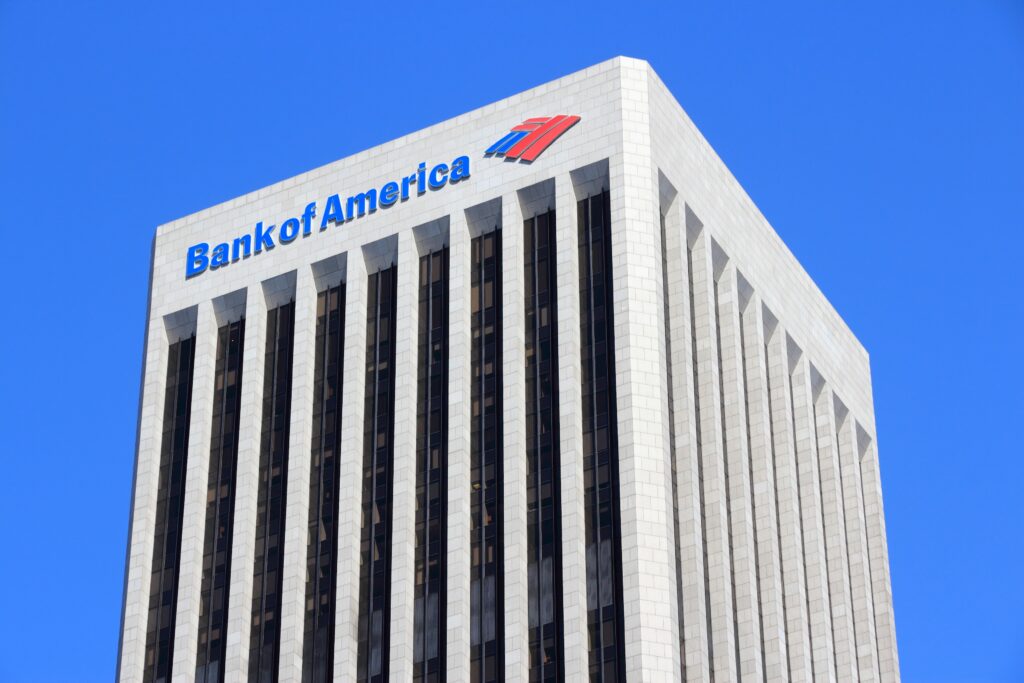
**Bank of America Warns Oil Prices Could Climb Further on Strait of Hormuz Gridlock**
According to a warning from Bank of America (BofA), global oil prices could continue their upward trajectory into the winter months if the United States and Iran fail to reach a diplomatic agreement to fully reopen the Strait of Hormuz. The warning comes amid existing, severe supply shortages in global natural gas, diesel, and gasoline markets.
Francisco Blanch, BofA’s head of commodities and derivatives research, stated in a CNBC interview that the bank had previously projected Brent crude to trade between $70 and $80 per barrel under the assumption that the geopolitical standoff would be resolved. However, without a resolution, Blanch warns that prices will likely creep higher as winter approaches.
Negotiations to reopen the critical shipping lane remain stalled. Currently, tanker traffic through the Strait of Hormuz—the world’s most vital oil chokepoint—is only a fraction of its pre-war volume. Blanch noted that just 5 to 10 vessels are passing through daily, compared to roughly 140 ships per day before the conflict. Even with some crude oil being rerouted overland through Saudi Arabia and the United Arab Emirates, daily shipping traffic needs to recover to at least 80 to 100 vessels to stabilize global energy markets.
While crude oil supplies remain relatively sufficient for the moment, Blanch highlighted critical deficits in refined end-products. These shortages are reflected in unprecedented refining margins. Diesel crack spreads—the price difference between crude oil and refined diesel—have soared to approximately $80 to $85 per barrel. This differential alone now exceeds the outright price of West Texas Intermediate (WTI) crude, a market anomaly rarely seen in history. Gasoline differentials and overall refining margins have similarly reached record highs.
Compounding the issue is a lack of buffer stock. Global energy inventories are significantly lower than they were during historical supply disruptions, leaving the market highly vulnerable to further escalations if negotiations fail.
In market trading on Monday, Brent crude rose 3.08% to $86.12 per barrel, while WTI crude climbed 3.25% to trade near $80.72.
In response to rising macroeconomic risks, Bank of America is advising investors to adopt a more defensive posture. The bank’s proprietary bull-and-bear indicator has climbed to 9.7, its highest level since 2021. Michael Hartnett, BofA’s chief investment strategist, recommended that investors reduce exposure to risk assets rather than buying on dips, noting that the bank remains in a “Retreat/Rotate not Reload” stance. With U.S. equities trading near record highs, investors remain highly exposed should another energy price spike trigger broader inflation and economic cooling.