Feds Probe Oil Futures Amid Middle East Unrest
 admin
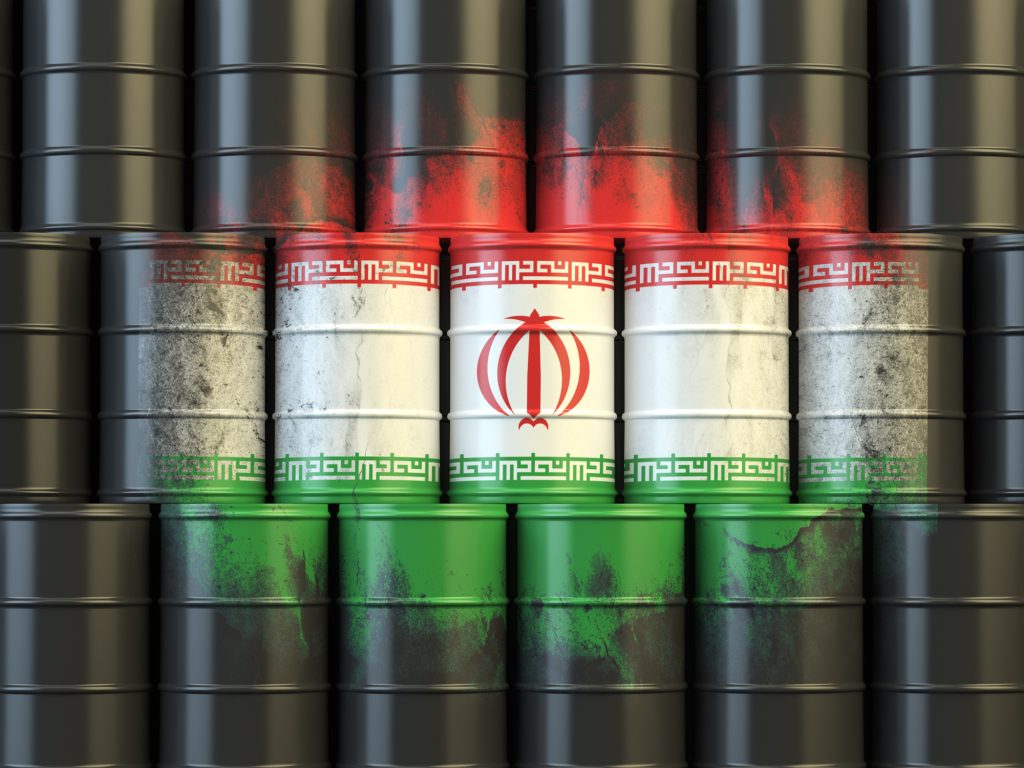

(Oil & Gas 360) – Federal regulators are scrutinizing unusual activity in crude futures tied to significant geopolitical shifts involving Iran, highlighting the importance of market oversight during volatile global events.
Speaking at a New York financial summit on Thursday, CFTC Enforcement Director David Miller confirmed that the agency is actively looking into potential insider trading. The probe stems from concerns that certain market participants may have exploited advance knowledge of major policy shifts affecting energy markets.
The core of the inquiry involves suspicious trading patterns aligned with key decisions on March 23 and April 7 regarding U.S.-Iran relations.
Just prior to President Donald Trump’s March 23 statement delaying planned military action against Iran’s energy facilities, a massive volume of futures contracts was executed.
The subsequent public release caused crude prices to plummet while stock indexes rallied.
A similar spike in activity preceded the April 7 announcement of a brief ceasefire. Prior reporting from Reuters revealed that roughly $950 million in bearish positions were opened immediately before the news broke.
These highly lucrative trades led legislators and industry observers to question whether nonpublic information had leaked to selected market participants.
Regulators note, however, that exceptional timing and high profitability do not automatically prove illegal insider trading or market manipulation.
The CFTC holds jurisdiction over U.S. commodity derivatives, which serve as crucial tools for corporations, financial entities, and commercial traders attempting to hedge against price swings.
To evaluate potential wrongdoing, agency analysts review detailed order books, communication records, account structures, and timing sequences.
The probe comes amid internal friction regarding how the regulator managed initial red flags.
A recent Bloomberg report indicated that CFTC surveillance staff were previously directed to withdraw a formal enforcement referral related to the March trading activity. That move triggered internal debate regarding political independence and standard administrative protocols.
Maintaining clear, untainted derivatives markets is vital for upstream oil and gas firms.
Producers depend on transparent futures pricing to lock in revenues, secure cash flows, and formulate long-term drilling budgets.
Downstream entities—including refining operations, aviation firms, and freight carriers—similarly utilize these instruments to control fuel expenditures.
Geopolitical turbulence frequently inflates hedging costs, forcing energy firms to navigate sudden shifts in margin calls and capital reserves.
Large institutional funds also depend on fair market signals when allocating capital across commodity indexes and energy stocks.
While the regulatory review does not alter physical crude supply and demand dynamics, its findings could trigger stricter surveillance protocols and reshape trader trust in paper markets.
Additionally, Miller noted that the CFTC is monitoring event-based prediction markets, pointing to growing official concern over trading linked to political outcomes and government policy changes.
Future updates will reveal if the CFTC intends to file formal enforcement actions, issue fines, or institute broader regulatory reforms.
For the broader energy sector, the case highlights the critical need for fair price discovery during times when rapid geopolitical developments can instantly reshape global commodity prices.
Disclaimer
This informational, opinion, and insights article is provided for informational purposes only and does not constitute investment, legal, or financial advice. The views expressed are based on publicly available information and market conditions at the time of publication and are subject to change without notice.