Nigeria Holds 3rd Spot in Africa’s Economy at $386.7B Amid Currency Devaluation and Soaring Poverty
 admin
admin 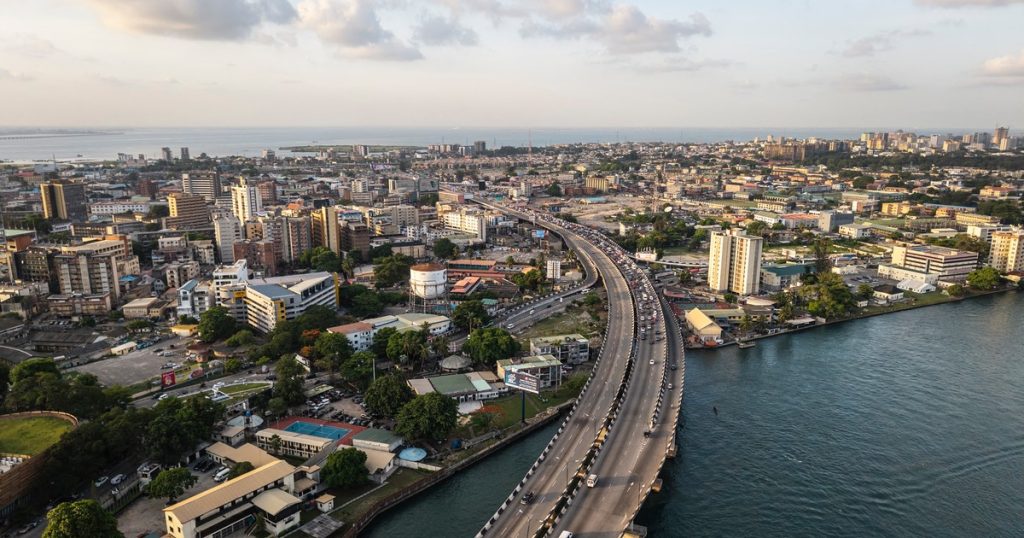
**Nigeria Falls Behind South Africa and Egypt in Latest Continental GDP Rankings**
Nigeria has slipped to third place among Africa’s top economies, trailing behind South Africa and Egypt. According to recent projections from the International Monetary Fund (IMF), South Africa currently holds the continent’s largest gross domestic product at $489.08 billion, with Egypt in second at $442.89 billion, and Nigeria recorded at $386.67 billion. This places Nigeria approximately $102.41 billion behind South Africa and $56.22 billion behind Egypt.
For years, Nigeria maintained its title as Africa’s largest economy, a position solidified following a major GDP rebasing exercise in 2014. However, severe currency devaluation in recent years has drastically eroded the dollar-denominated value of Nigeria’s economic output, allowing both South Africa and Egypt to surpass it.
**Impact of Foreign Exchange Reforms**
To address distortion in the currency market, attract foreign direct investment, and stabilize the financial system, President Bola Tinubu’s administration introduced aggressive foreign-exchange reforms in 2023. While these policies allowed the naira to find its market rate, the subsequent fall in the currency’s value sharply escalated import costs, increased foreign debt obligations, and raised operational expenses for local businesses.
**Economic Growth Persists Amid Currency Pressures**
Despite slipping in dollar-denominated rankings, Nigeria’s local economy continues to expand. Production remains supported by core sectors including oil, telecom, banking, agriculture, digital services, and manufacturing.
The IMF forecasts that Nigeria’s real GDP will grow by 4.2% in 2026. While this outpaces South Africa’s projected growth, it trails faster-growing regional peers like Ethiopia, Uganda, and Tanzania. Economists emphasize that this distinction illustrates how exchange rate fluctuations can suppress a nation’s dollar-calculated GDP even as local output increases.
Nigeria also updated its GDP calculation methods in 2025 to capture a wider range of economic activities, incorporating informal enterprises, digital services, insurance, and modular oil refining. Although this provides a clearer