Iran Evaluates U.S. Hormuz Plan Amid Ongoing Oil Supply Uncertainty
 admin
admin 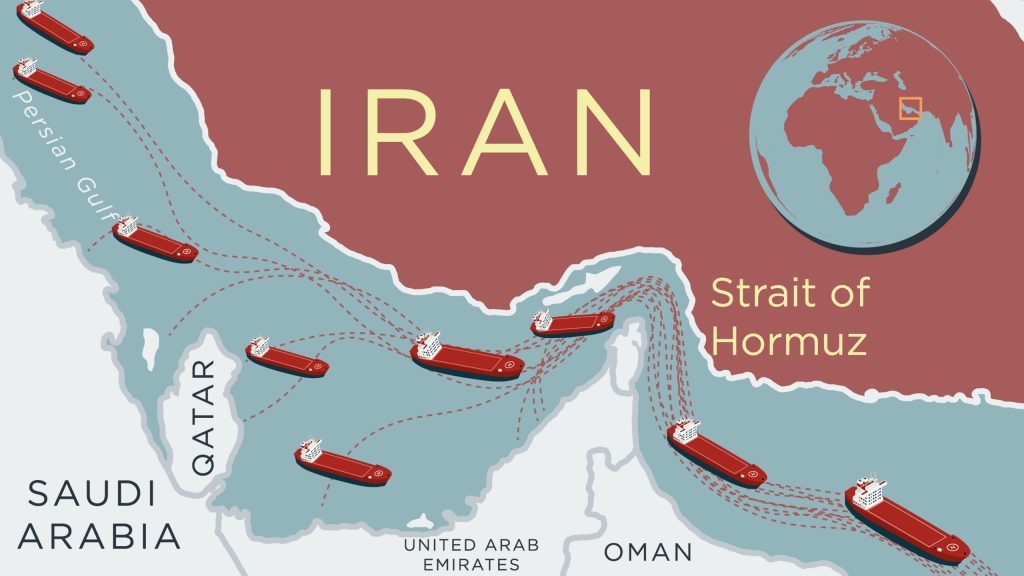

(Oil & Gas 360) – Global energy markets face ongoing uncertainty as Tehran continues to evaluate Washington’s latest response to a framework for unblocking the Strait of Hormuz, a critical bottleneck for world fuel supplies.
Esmaeil Baghaei, spokesperson for the Iranian Foreign Ministry, stated Monday that Tehran will deliver its feedback to the U.S. via third-party channels once the evaluation is complete. While confirming that indirect dialogue persists, he offered no specific schedule for delivering Iran’s official position.
Both Qatar and Pakistan have stepped in as diplomatic intermediaries, attempting to defuse regional friction and forge a path toward resolving the broader crisis triggered by joint U.S.-Israeli military actions against Iran earlier this year.
Following the breakdown of an interim truce over the summer, Tehran put forward its current draft proposal in early autumn. Subsequent talks have repeatedly stalled over the specific terms required to safely resume commercial transit and re-engage in broader diplomatic efforts.
Tehran indicated over the weekend that the American response failed to resolve seven key prerequisites it set for restoring access through the waterway. A fundamental sticking point remains the timeline of diplomatic priorities: Washington is pressing for early concessions regarding Iran’s nuclear operations, whereas Iranian negotiators insist that maritime transit rights and corridor security take priority.
The Strait of Hormuz is essential to global energy trade, traditionally accommodating roughly 20 percent of all globally traded crude oil and liquefied natural gas (LNG). The route serves as the primary gateway linking major Middle Eastern energy exporters to core demand hubs in Asia, Europe, and beyond.
The current shipping bottlenecks have thrown global fuel logistics into disarray, causing sharp increases in freight rates, unpredictable transit times, and ongoing anxiety over crude and gas availability.
Upstream producers rely heavily on this Gulf artery to move products, and ongoing blockades threaten output planning while squeezing net realized prices through inflated freight surcharges.
Downstream refiners are similarly squeezed by the unreliability of primary crude streams, forcing operational adjustments to alternative feedstocks that directly impact refinery yield margins and domestic fuel costs.
The LNG market continues to feel the strain, as long-term off-takers are forced to secure spot-market cargoes or alter delivery logistics to offset missing Gulf volumes.
Conversely, North American energy exporters might see sustained demand for replacement hydrocarbon supplies, provided export terminals, long-term contracts, and global price differentials allow for increased flow.
Midstream logistics providers could also see shifting utilization patterns across global pipeline, storage, and export terminals as trade routes adjust to bypass the choked corridor.
Market analysts and energy investors continue to monitor these negotiations as a primary indicator of global geopolitical risk and market volatility.
A formal deal to restore maritime traffic would likely stabilize delivery schedules and cool geopolitical risk premiums on crude and natural gas contracts. Conversely, prolonged gridlock threatens to entrench supply anxiety and fuel ongoing price swings.
Key indicators moving forward include the formal delivery of Iran’s counter-proposal, the specific language of any potential compromise, and tangible evidence of commercial vessels safely resuming transit through the strait.
Until a verifiable resolution is reached, the operational status of the Strait of Hormuz will remain a dominant factor governing international energy logistics, pricing trends, and market sentiment.