Shell expands Canadian oil assets through Bay du Nord acquisition
 admin
admin 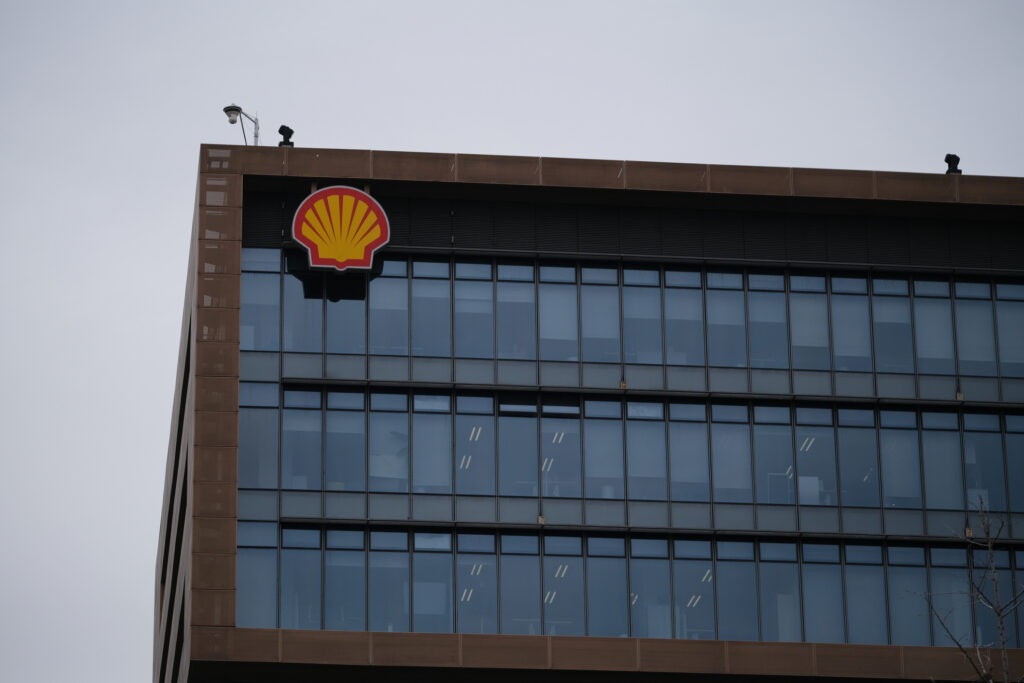
Shell is growing its energy presence in Canada by agreeing to buy a 30% non-operating stake in Equinor’s Bay du Nord offshore project, expanding its footprint in the North American oil sector.
Located roughly 500 kilometers off the coast of Newfoundland and Labrador in the Flemish Pass basin, the project will remain under the operational control of Equinor, which keeps a 70% stake. The financial details of the deal remain undisclosed.
This collaboration unites two major global energy producers as the project moves toward a targeted final investment decision in early 2027.
The estimated C$14 billion project represents a major commitment to Canadian offshore energy. Its initial phase holds over 400 million barrels of recoverable oil resources, targeting a daily output of 160,000 to 175,000 barrels of oil equivalent. Pending final approvals, initial production is slated for 2031.
The plan centers on subsea infrastructure tied to a floating production, storage, and offloading (FPSO) vessel, with potential to tie in surrounding Flemish Pass basin discoveries for future growth.
For Shell, acquiring this stake yields entry to a large resource base in a stable market without operational duties. The company noted that anticipated yields pass its internal investment threshold, though the project still faces capital competition from Shell’s wider global assets. Meanwhile, Equinor reduces its financial and execution risks while maintaining project leadership.
This move aligns with Shell’s ongoing expansion in Canada, where it has also committed resources to natural gas and LNG development.
Although deepwater developments in Canada present high resource potential, they require navigating substantial technical, financial, and regulatory demands over multi-year timelines. Both operators will refine engineering plans to establish commercial viability ahead of the final investment choice.
Industry-wide, this transaction reflects how major producers continue to target massive, long-life assets while prioritizing capital efficiency, shared risk, and geographic balance.