Gulf Producers Suspected of Paying Iran for Safe Passage, Kpler Reports
 admin
admin 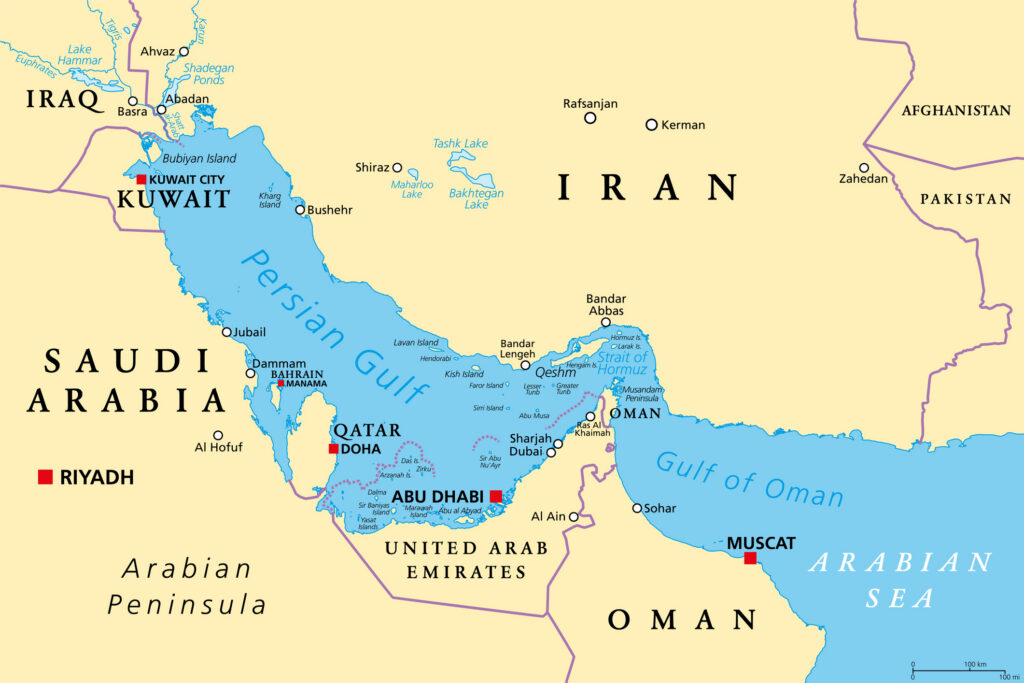
Data from Kpler indicates that Middle East crude and condensate exports reached an average of approximately 16.5 million barrels per day (bpd) in September, with several days in the month’s final week surpassing the pre-war average of 18 million bpd.
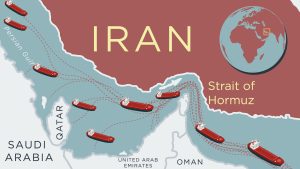
Despite this supply recovery, oil prices have remained elevated. Brent crude continues to trade around $100 per barrel—nearly $30 higher than pre-war levels. To maintain flows, exporters are utilizing alternative pipelines and ports, relying on U.S. military escorts through the Strait of Hormuz, and conducting intensive ship-to-ship (STS) transfers.
There are growing suspicions that high prices are also being driven by secret transit fees. Michelle Brohard, head of policy and geopolitical risk at Kpler, suggests some Gulf nations may be quietly paying Iran to secure safe passage for their tankers, doubting the long-term sustainability of U.S. military escorts. Brohard noted that exporters might be paying Iran 10% to 20% of their cargo value, leading to a hurried effort to export as much crude as possible.
While these claims are unverified, other market observers agree that under-the-radar arrangements may be occurring. Chris Beauchamp, chief market analyst at IG Group, noted that both U.S. naval escorts and quiet Iranian toll collections seem to be happening behind the scenes. Beauchamp added that the complex “shuttle system” used to move oil has tied up vessels, driving up regional freight rates and tightening tanker availability globally.
If confirmed, secret payments to Tehran would carry major political and legal ramifications. The U.S. government has warned Iran against imposing transit fees, and Gulf states like Saudi Arabia, the UAE, Bahrain, Qatar, and Kuwait have officially opposed them.
Washington is actively targeting financial networks linked to these suspected payments. The U.S. Treasury’s Office of Foreign Assets Control (OFAC) recently sanctioned the Iranian cryptocurrency exchange BitBank. According to federal officials, the Hormuz Safe Marine Services Authority used the exchange to funnel hundreds of millions of dollars in Bitcoin to the Islamic Revolutionary Guard Corps (IRGC). The exchange is reportedly controlled by Babak Zanjani, a prominent Iranian financier whose death sentence for embezzling state oil funds was commuted in 2024.
Additionally, formalizing transit fees would violate international maritime law. Under the United Nations Convention on the Law of the Sea (UNCLOS), vessels are guaranteed the right of free transit passage through international straits, and bordering nations cannot charge transit fees. Though Iran signed UNCLOS in 1982, it never ratified the treaty and maintains that its 1993 Marine Areas Act governs its territorial waters. Tehran has previously weighed legislation to formalize transit fees, arguing that a permanent safety fee should be required for any long-term agreement to keep the strait open.