Gulf Producers Demand Importers Share Cost of Hormuz Bypass Routes
 admin
admin 
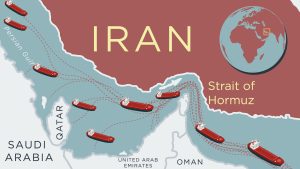
Major oil executives in the Persian Gulf are urging international buyers to co-invest in new transit routes and storage facilities to bypass the highly vulnerable Strait of Hormuz, arguing that securing global energy supply is a shared responsibility.
Speaking at the 2026 Energy Intelligence Forum in London, Saudi Aramco CEO Amin Nasser emphasized that maintaining secure oil and gas infrastructure is a collective necessity for both producers and consumers. He noted that disruptions to regional infrastructure carry global consequences, including market volatility and weakened energy security, stressing that no single country should bear the burden of protecting these supply chains alone.
Similarly, Kuwait Petroleum Corporation (KPC) CEO Sheikh Nawaf Saud Al-Sabah revealed that Kuwait is negotiating with European partners to establish refined product storage sites closer to end-users. He called on importing nations to make the necessary logistical investments to accommodate these reserves.
Since the closure of the Strait of Hormuz following the outbreak of conflict in late February, regional producers have actively sought alternative shipping methods. Some have resorted to using smaller shuttle tankers to move crude outside the strait to offshore hubs in Fujairah or Oman, where it is transferred to larger vessels for international delivery.
While Saudi Arabia initially redirected its crude flows to the Red Sea via its East-West pipeline, that route was temporarily halted last month for repairs following drone strikes on its pumping stations. Meanwhile, Iraq is exploring the rehabilitation of an old pipeline through Syria to transport crude directly to the Mediterranean, further reducing reliance on the Persian Gulf’s primary chokepoint.