Oil Traders Managing Risk with Higher Precision Amid Ongoing Wars: Morgan Stanley
 admin
admin 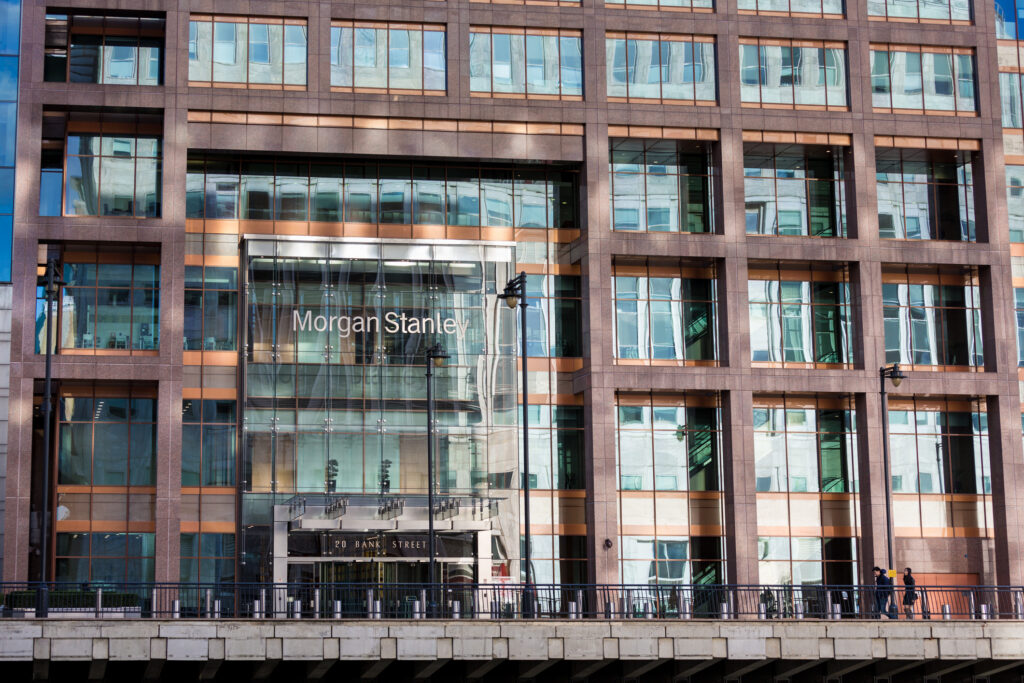
Ongoing conflicts involving Iran and Ukraine have driven oil traders to avoid longer-dated futures contracts, opting instead for short-term positions to manage heightened market volatility, according to investment bank Morgan Stanley.
Brendan Ross, Co-Head of Global Oil Trading at Morgan Stanley, explained at the Asia Pacific Petroleum Conference in Singapore that traders are being much more precise with their risk management. Rather than committing to long-term bets, most market participants are now focusing on a narrow three-to-six-month window to avoid unexpected losses. This shift has significantly reduced liquidity in longer-term contracts.
At the same time, speculators and portfolio managers are shifting their focus toward fuel markets, which are experiencing tighter supplies than crude oil. According to exchange data compiled by energy analyst John Kemp, hedge funds have reversed their spring short positions to build a net long position of 177 million barrels in gasoline and diesel contracts.
This bullish stance on fuels is expected to persist, driven by limited global refining capacity to replace disrupted supplies from Russia and the Middle East. As a result, already low U.S. inventories of gasoline and diesel are anticipated to decline further.