Trump Proposes Refilling U.S. Oil Reserve With Venezuelan Crude
 admin
admin 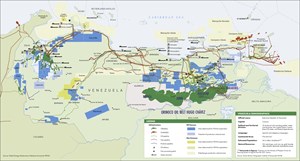
President Donald Trump announced on Sunday that the U.S. intends to replenish its depleted Strategic Petroleum Reserve using Venezuelan crude oil, over which the U.S. recently asserted control.
In a post on Truth Social, Trump blamed Joe Biden for emptying the reserve and stated that the replenishment process would begin shortly, calling it “a Gift from Venezuela to the People of the United States.”
The U.S. emergency reserve, which has a capacity of over 700 million barrels, currently holds 289.7 million barrels—about 40% of its capacity—following significant drawdowns under both the Trump and Biden administrations.
On Friday, Trump revealed that the U.S., in partnership with private enterprises, is taking control of 65 billion barrels of Venezuela’s proven oil reserves. According to U.S. officials, this joint venture will establish the world’s second-largest private oil company by reserves, securing American energy supplies for decades. Under the agreement, the U.S. will control 55% of the venture’s effective output and acquire the oil at cost.
However, the timeline for increasing Venezuelan oil production remains uncertain due to degraded infrastructure, an unreliable power grid, and environmental liabilities. Major energy firms, including Chevron Corp. and Eni SpA, are already in discussions or working with Venezuelan authorities to boost output.
The U.S. Energy Department has not commented on the plan, and Trump has not provided further logistics. Industry analysts note that the heavy, high-sulfur sour crude from Venezuela’s Orinoco Belt is difficult to store in the underground salt caverns that house the U.S. reserve. In January, the Energy Department denied reports that it was considering swapping Venezuelan crude with U.S. refineries for domestic crude to refill the reserve.
Refilling the emergency reserve, established in the 1970s following the Arab oil embargo, has been hindered by a lack of funding from Congress. The reserve is currently at its lowest level in over forty years, driven by a 172-million-barrel release coordinated with international partners following the outbreak of war with Iran, alongside previous major drawdowns by the Biden administration after Russia’s invasion of Ukraine.