Weatherford and Eclipse Complete Permian Subsurface Hydrogen Pilot
 admin
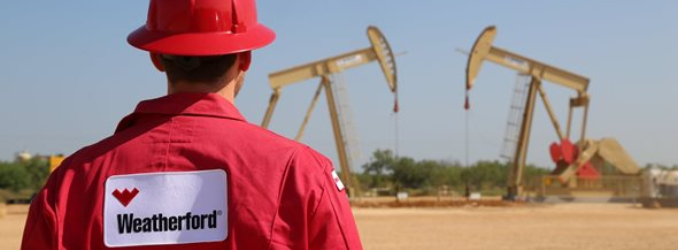
In a milestone field pilot conducted in the Permian basin alongside Weatherford and a prominent West Texas operator, Eclipse Energy successfully demonstrated the subsurface migration and production of hydrogen. Generated within a mature oil reservoir using biotechnology stimulation, the hydrogen traveled between wells and was gathered into a commercial sales stream using existing gas infrastructure for the first time in industry history.
The 30-day pilot took place in a naturally fractured carbonate reservoir, extracting hydrogen from multiple wells. The captured gas was transported via standard natural gas pipelines to a central facility, where it was processed and sold in conjunction with natural gas. According to Eclipse, the hydrogen yield from this trial was more than four times higher than the rate achieved during its initial June 2025 field test in a California light-oil sandstone reservoir.
“The first demonstration showed that we could stimulate a mature reservoir to produce hydrogen,” stated Prabhdeep Singh Sekhon, CEO of Eclipse Energy. “This second demonstration shows that the technology can operate in a fundamentally different and more challenging reservoir, that hydrogen can migrate through the subsurface between wells, and that the resulting gas can move through infrastructure that already exists.”
By leveraging legacy wells, gathering networks, and established oilfield infrastructure, Eclipse’s strategy focuses on repurposing late-life oil reservoirs into fresh energy producers without requiring the construction of new facilities.
Operational execution and field support were managed by Weatherford, following its strategic investment in Eclipse announced in December 2025. “The ability to generate hydrogen in the subsurface, observe its movement between wells, and bring it into existing commercial infrastructure is a remarkable technical and commercial milestone,” remarked Girish Saligram, president and CEO of Weatherford.