U.S. Moves Forward on Permitting Reform, Targeting Power and Pipeline Infrastructure
 admin
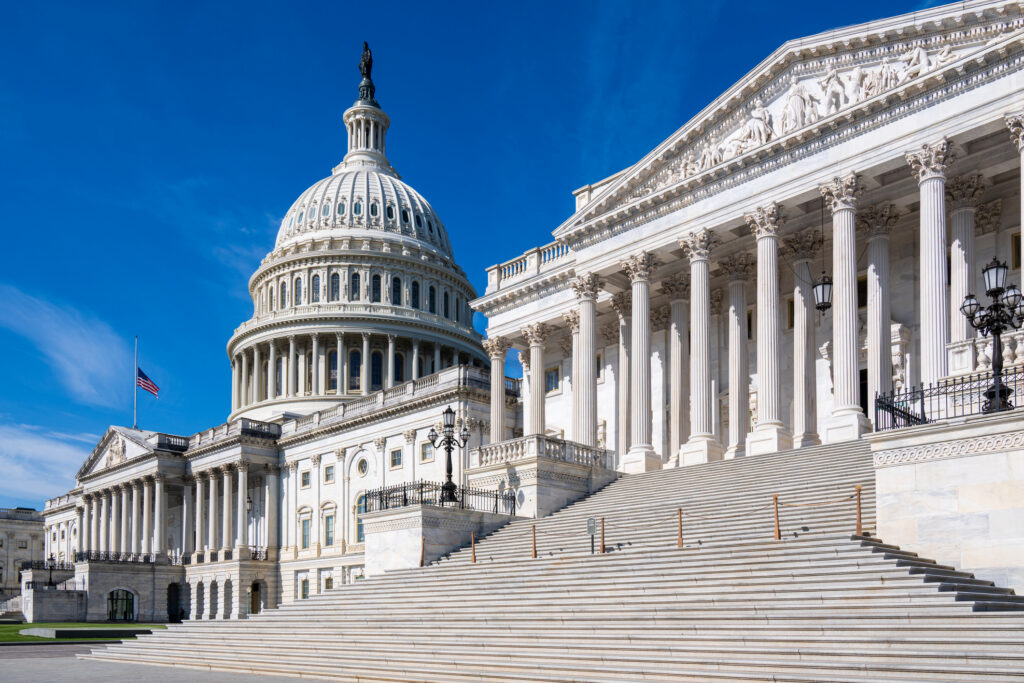

(Oil & Gas 360) – On Thursday, the U.S. Senate passed landmark bipartisan energy permitting reform in a 62-33 vote, pushing forward a long-standing initiative to streamline federal approval processes for oil and gas pipelines, power plants, electrical transmission grids, and other critical infrastructure. While energy sector groups celebrated the decision and pressed the House of Representatives to vote before the legislative session ends, legislative friction regarding environmental safeguards could hamper its ultimate approval.
Titled the Bipartisan American Affordability and Jobs Act, the measure overhauls federal environmental assessments, sets standardized timelines for agency decisions, and restricts legal challenges against approved developments. It further aims to deliver regulatory stability for companies funding major energy ventures.
The compromise was crafted by Republican Senators Shelley Moore Capito (W.Va.) and Mike Lee (Utah), alongside Democratic Senators Sheldon Whitehouse (R.I.) and Martin Heinrich (N.M.). The successful vote comes after years of gridlock between proponents of expanded energy production and advocates for strict environmental protection.
Industry trade associations, including the American Petroleum Institute, the American Exploration & Production Council, and the Energy Workforce & Technology Council, endorsed the Senate bill. They argued that chronic administrative delays inflate capital expenditures, deter investors, and choke domestic energy distribution.
API President Mike Sommers hailed the approval as a vital milestone for lowering energy prices and expediting project delivery. Additional trade leaders noted that consistent regulatory frameworks are essential for capital-intensive undertakings that span multiple years.
The proposed legislation covers more than traditional fossil fuels; it also incorporates provisions to speed up permitting for zero-emission generation, nuclear facilities, grid expansions, and other systems required to meet surging national electricity needs.
Addressing the rapid growth of data centers driven by artificial intelligence, the bill includes measures to shield everyday rate-payers from paying for grid upgrades triggered by large computing facilities as power companies expand capacity.
Conversely, environmental groups and select legislators have denounced the bill’s adjustments to core environmental statutes and its limits on judicial recourse. Opponents maintain that shortened review cycles threaten natural resources, wildlife habitats, public domain lands, and tribal heritage sites.
Because the House previously passed its own, more restrictive permitting bill, congressional leaders must now reconcile the two versions before any bill can be sent to the president. The Senate vote does not alter current regulatory rules on its own.
For exploration and production firms, streamlined pipeline reviews could clear transport bottlenecks and broaden market reach. Midstream firms, service providers, and construction contractors also stand to gain from clearer development timelines and reduced schedule risk.
For institutional funds and family offices, the reform effort could shift capital costs, reduce project execution risk, and reallocate capital flows across both conventional and clean energy sectors. However, the ultimate economic impact hinges on the final text, executive branch execution, and project-level compliance.
Although the Senate passage marks a major breakthrough, attention now centers on the House to see if the bipartisan deal can gather enough momentum to pass both chambers.
Disclaimer
This informational, opinion, and insights article is provided for informational purposes only and does not constitute investment, legal, or financial advice. The views expressed are based on publicly available information and market conditions at the time of publication and are subject to change without notice.