
Middle East Producers Lower Price Cuts Amid Threat of Postwar Oil Surplus
 admin
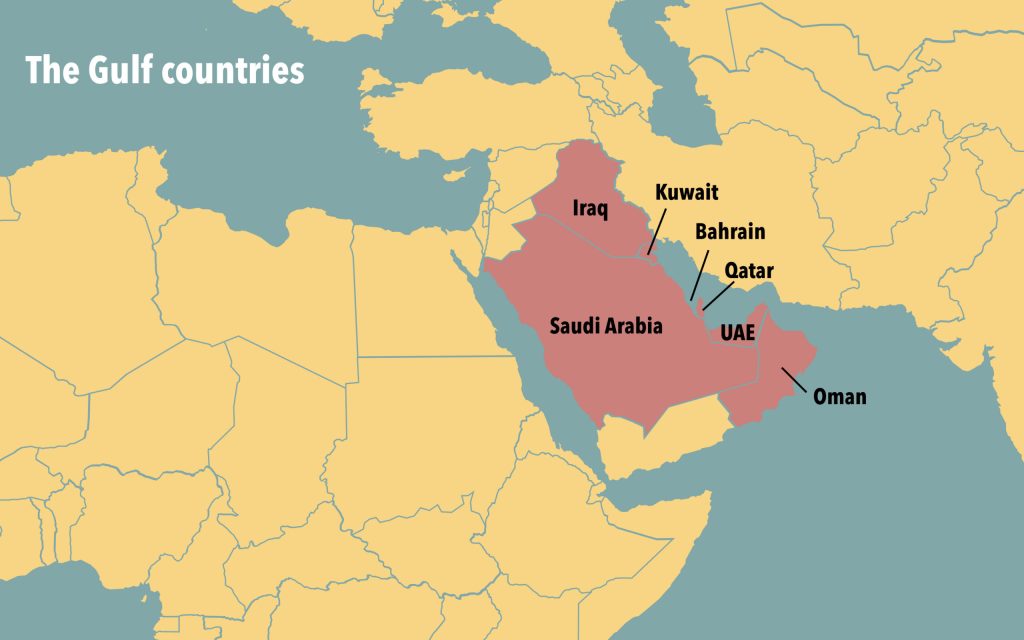
Middle Eastern crude suppliers are lowering export prices to retain market share as rebounding regional shipments, rising non-OPEC output, and muted refining activity point toward an impending global oil glut following the Iran crisis.
This environment contrasts sharply with the initial phase of the conflict, when shipping bottlenecks around the Strait of Hormuz constrained supplies and pushed energy costs upward.
Data from Kpler indicates that October crude flows through the Strait of Hormuz averaged 10.3 million barrels per day (bpd), a marked recovery from near-zero non-Iranian shipments in the first month of hostilities. When factoring in bypass pipelines to Saudi Arabia’s Yanbu port and the UAE’s Fujairah terminal, total exports from the region reached 16.6 million bpd, nearing the pre-conflict norm of 17 million bpd.
Concurrently, non-regional suppliers in North and South America have expanded supply. Energy Aspects reports that worldwide crude production rose to about 85 million bpd in October, topping the five-year baseline of 83 million bpd.
This supply expansion is driving aggressive pricing strategies among state producers:
* Saudi Aramco cut its December official selling price (OSP) for Asian buyers of Arab Light crude by $2.00 per barrel, widening its discount against the Oman/Dubai benchmark to $6.50—the steepest price drop since May 2020.
* Spot premiums for Middle Eastern grades have contracted significantly under the weight of higher prompt availability and elevated freight tariffs.
* Tanker rates remain elevated at roughly $30 per barrel, up from pre-conflict levels of $5 per barrel, driven by ongoing maritime security concerns.
On the consumption side, recovery continues to lag behind supply growth. JPMorgan estimates global petroleum demand is down by 3.3 million bpd relative to pre-conflict levels, suppressed by past price spikes and sluggish economic growth. Furthermore, combat damage to refineries in the Middle East and Russia has reduced operational capacity, restricting raw crude intake.
Physical storage dynamics are also exacerbating market pressure. A backwardated market structure—where spot prices trade above forward contracts—continues to discourage traders from buying excess barrels to hold in inventory. Absent strong refinery buying or viable storage incentives, producers are forced to lower asking prices to clear volume.
For energy sector investors, shifting market balances pose risks to upstream margins and exploration budgets, while potentially offering margin relief to downstream refiners equipped to process discounted heavy and medium crudes.
The trajectory of the market remains tied to several variables: lower pump prices could revive end-user demand, damaged refining infrastructure may come back online, or diplomatic breakthroughs could fully re-open Middle Eastern supply channels, potentially deepening the market surplus.




