Canada to Invest $140 Million in Expanding Woodfibre LNG Export Capacity
 admin


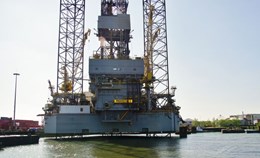
Canada is preparing to inject roughly C$200 million ($140 million) into the Woodfibre LNG facility in British Columbia. This federal backing could boost the plant’s output capacity by up to 24% as the nation seeks to broaden its reach in global gas trade. According to a Reuters report referencing an industry source, the funding will target infrastructure expansion at the site currently being built near Squamish, located north of Vancouver.
Jointly owned by Singapore’s Pacific Energy Corporation (70%) and Canada’s Enbridge (30%), Woodfibre LNG was initialed for a 2.1 million metric ton annual capacity. The newly targeted upgrades aim to elevate total output to between 2.5 and 2.6 million metric tons per year.
The capital injection will facilitate enhanced cooling infrastructure as well as the deployment and anchoring of floating storage units. These modifications allow for higher export yields without the necessity of constructing an entirely new processing train, thereby enhancing the financial efficiency of the current site.
Targeting a late-2027 commercial launch, the facility’s initial output capacity is entirely secured by BP through three 15-year supply contracts. While these deals establish a solid commercial baseline, terms regarding the distribution of the newly added volume remain unannounced.
Developers are simultaneously considering a potential Phase 2 expansion to scale export volumes even further. Any subsequent major buildout will depend on comprehensive engineering reviews, capital allocation, and regulatory clearances.
The Woodfibre site aligns with Canada’s overarching aim to move beyond its traditional US export market and capture market share in Asia. British Columbia’s coastline offers shorter maritime routes to major Asian importers like Japan, South Korea, and China, giving it a logistical edge over many North American rivals.
This funding proposal comes on the heels of the September regulatory clearance for the Shell-backed LNG Canada facility in Kitimat, BC. That facility is slated to double its capacity from 14 million to 28 million metric tons annually, underscoring the rapid buildout of Canada’s West Coast gas export network.
Upstream producers in Western Canada stand to gain from new export outlets, which could bolster long-term demand for reserves out of the Montney shale and adjacent basins. Midstream providers are also positioned to benefit from increased demand for pipeline transmission, compression, and regional storage facilities.
The initiative further diversifies Enbridge’s natural gas asset base, while BP locks in long-term supply tailored for Pacific market demand.
From an investment perspective, state support for Woodfibre highlights Canada’s intent to back export infrastructure amid intensifying global competition for LNG market share. Project profitability will ultimately hinge on construction management, operating expenditures, freight rates, and international gas pricing trends.
Ultimately, this development underscores the crucial role of public sector backing in facilitating capital-intensive, long-horizon energy infrastructure.
About Oil & Gas 360
Oil & Gas 360 is an energy-focused news and market intelligence platform delivering analysis, industry developments, and capital markets coverage across the global oil and gas sector. The publication provides timely insight for executives, investors, and energy professionals.
Disclaimer
This informational, opinion, and insights article is provided for informational purposes only and does not constitute investment, legal, or financial advice. The views expressed are based on publicly available information and market conditions at the time of publication and are subject to change without notice.