
ADNOC Gas Lifts Full-Year Earnings Forecast Following 101% Third-Quarter Profit Surge
 admin
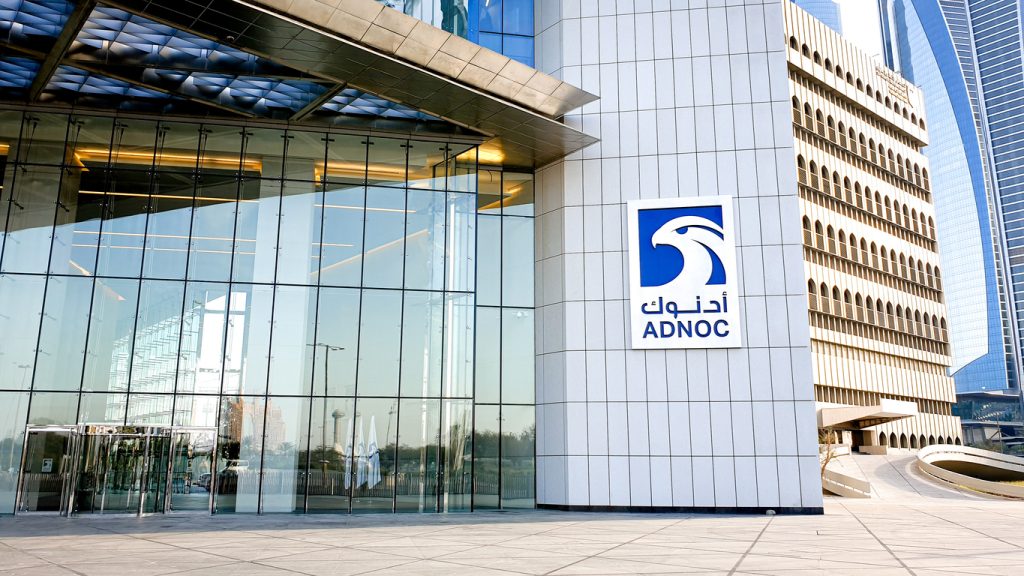

(Oil & Gas 360) – ADNOC Gas experienced a robust Q3 rebound, with net income surging 101% quarter-over-quarter to $1.34 billion, up from $665 million in Q2 2026. The financial surge was driven by elevated local gas demand and strong global product sales, which mitigated ongoing maritime shipping bottlenecks in the Strait of Hormuz.
Quarterly EBITDA jumped 70% to $2.03 billion, reflecting gains across domestic gas, LNG, export liquids, and sulfur divisions. In light of these metrics, the Abu Dhabi-based firm elevated its 2026 net income forecast to a minimum of $4 billion, up from the previous target range of $3.5 billion to $4 billion.
Strong operational execution and commercial adaptability allowed the company to keep customer supply lines open despite local transport headwinds. Within the UAE, domestic gas sales volumes rose 20% sequentially, boosting domestic gas EBITDA by 28%. Meanwhile, international product EBITDA leaped 106%, and sulfur division EBITDA skyrocketed 249% quarter-over-quarter.
To navigate ongoing transit risks in the Strait of Hormuz, ADNOC Gas reshaped its inventory protocols, supply chain logistics, and transport routing to protect revenue streams. Demonstrating its financial stability, the board authorized a $940 million quarterly dividend, marking a 5% year-over-year rise.
Through the first nine months of 2026, operating cash flow hit $3.82 billion, providing 1.3x coverage for $2.82 billion in total dividend payouts. ADNOC Gas maintains its commitment to grow annual dividends by 5% through 2030, contingent on market conditions.
Concurrently, the producer is executing a $28 billion capital outlay plan spanning 2026 to 2030. Key growth initiatives—including the Ruwais LNG facility, the Rich Gas Development, Estidama, and the Maximizing Ethane Recovery and Monetization project—are designed to expand EBITDA by 60% over 2023 levels by the end of the decade. Additionally, repairs on the damaged Habshan gas processing plant are underway, with full operational status anticipated by Q2 2027.
While the strong Q3 output underlines the firm’s cash-generation capability and operational flexibility, investors continue to weigh key risks, including commodity price swings, shipping impediments, project delivery timelines, and the restoration schedule for core processing assets.
Disclaimer
This informational, opinion, and insights article is provided for informational purposes only and does not constitute investment, legal, or financial advice. The views expressed are based on publicly available information and market conditions at the time of publication and are subject to change without notice.




