Iran Dismisses U.S. Talks Amid Continued Hormuz Closure
 admin
admin 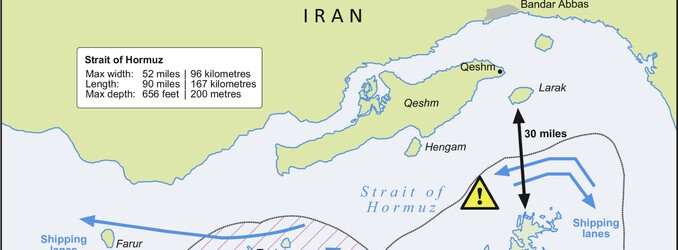
The future of the Strait of Hormuz remains highly uncertain following Iran’s refusal to engage in direct talks with the United States, casting doubt on a swift resolution for the vital shipping lane.
Iranian Foreign Minister Abbas Araghchi stated that Tehran will not restart direct negotiations, accusing the U.S. of breaching a brief memorandum of understanding established earlier this year. Araghchi confirmed that communication between the two nations is currently limited to indirect channels through intermediaries.
This development follows reports that Iran was nearing a deal with Oman to open a temporary transit route through the strait. However, Tehran has since demanded several major concessions before fully reopening the passage, including the removal of sanctions, the termination of the U.S. naval blockade on Iranian ports, the withdrawal of U.S. military assets from the region, and the unfreezing of Iranian financial assets.
Oman, acting as a mediator, described the ongoing discussions with Iran as “positive and constructive,” while calling on all involved nations to prevent further escalation.
The Strait of Hormuz, a critical maritime corridor for approximately 20% of global oil supplies, has faced severe disruptions since conflict erupted earlier this year. Although escorted shuttle operations have allowed limited cargo transit, standard commercial shipping operations remain suspended.
Adding to regional instability, Yemen’s Houthi rebels claimed a drone attack on Saudi Aramco’s Jizan refinery over the weekend. While Saudi officials confirmed a fire at the site was successfully put out without casualties, they did not specify the cause of the incident. The Houthis have recently intensified their strikes against Saudi maritime and energy targets in the Red Sea.
Crude prices continue to reflect these tensions, with Brent crude trading above $83 per barrel as market participants balance the risk of extended supply disruptions against the hope of a diplomatic resolution.