U.S. Emergency Oil Stocks Hit 44-Year Low Amid Global Supply Crisis
 admin

(Oil & Gas 360) – Fresh Department of Energy figures published Monday, October 26, show that U.S. Strategic Petroleum Reserve crude stocks have dropped to a near 44-year low. The drawdown heightens anxiety surrounding the country’s emergency backstop capacity amidst ongoing international market strain.
For the week ending October 23, reserves dropped to roughly 282.6 million barrels—the lowest threshold observed since October 1982. Overall stockpiles have shrunken by about 132.8 million barrels from the time hostilities involving Iran broke out in late February.
This ongoing decline stems from a domestic pledge to deliver up to 172 million barrels into the market to help mitigate global supply bottlenecks alongside international allies.
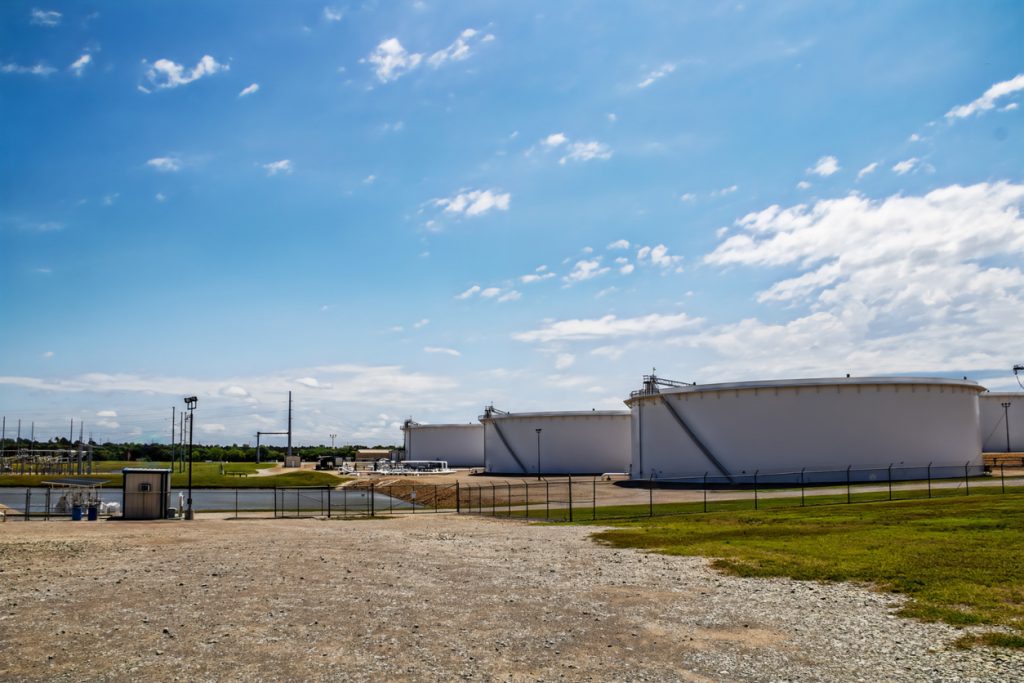
Created in 1975 following the Arab oil embargo, the Strategic Petroleum Reserve serves as an emergency fallback during critical fuel shortages.
Housed in subterranean salt domes across the Gulf Coast, the reserve holds a maximum capacity of roughly 714 million barrels. Present volume accounts for under 40% of its full limit.
The recent drawdown illustrates a complex balancing act for federal officials: mitigating current price spikes and supply deficits while preserving adequate reserves for future national crises.
To assist with a local distribution bottleneck impacting Phillips 66’s Lake Charles refinery in Louisiana, the Department of Energy recently approved an emergency exchange of up to 400,000 barrels.
With a daily processing capability near 264,000 barrels, keeping steady crude flows into the facility remains vital for Gulf Coast refined fuel distribution.
Unlike direct sales, crude loans provided through emergency exchanges must eventually be replaced by the recipient under designated terms.
While borrowing emergency supply offers swift relief during local infrastructure or pipeline failures, it offers only a short-term fix.
The reserve cannot indefinitely offset broader drops in global imports or domestic crude output.
As the stockpile contracts, attention shifts to how and when the government will restore used reserves.
Refilling the reserve will necessitate open-market crude buys or the return of loaned volumes, creating fresh market demand depending on the speed and scale of the buying program.
These future federal purchases could offer independent oil producers a consistent demand stream, though execution depends on prevailing crude prices, congressional funding, and acquisition timelines.
Midstream companies and storage facilities are also positioned to facilitate the logistics of moving and storing these refill volumes.
Market analysts track emergency inventory levels closely, as low reserves limit the government’s power to counter major supply shocks without causing volatility in commercial inventories or relying on immediate production hikes.
The overall impact reaches past unrefined crude benchmark prices, influencing downstream refining spreads, shipping rates, and broader fuel supplies.
With critical maritime corridors and key oil-producing areas facing elevated security risks, market participants remain focused on potential future drawdowns, commercial storage figures, refining rates, and eventual federal refill strategies.
The current reserve drop emphasizes a core reality of energy security: while emergency stockpiles offer temporary relief, long-term market stability relies on steady production, ample refining assets, resilient midstream network infrastructure, and robust reserve buffers.
Disclaimer
This informational, opinion, and insights article is provided for informational purposes only and does not constitute investment, legal, or financial advice. The views expressed are based on publicly available information and market conditions at the time of publication and are subject to change without notice.