U.S. Commander: Oil Shipments Through Strait of Hormuz Reach Six-Month Peak
 admin
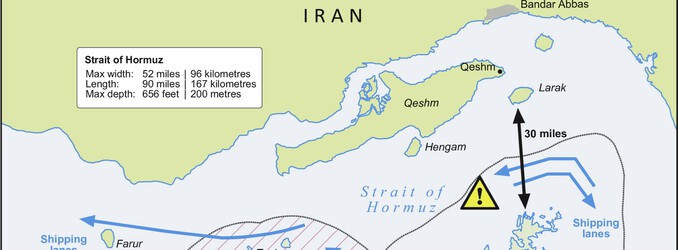
Shipments of oil and liquefied natural gas through the Strait of Hormuz have surged to a six-month high over the last two weeks, demonstrating the success of U.S. naval protection and mine-sweeping operations, according to a regional U.S. commander.
In a video message on Saturday, Admiral Brad Cooper, head of U.S. Central Command, declared that momentum is growing. He noted that the strait’s primary shipping lanes are free of mines and that Persian Gulf allies have successfully transported over 1 billion barrels of crude through the passage in recent months.
This traffic boost occurs during a global squeeze on oil supplies following months of disruptions in the Middle East. While Iran claims to have shut down the strait and regional shipping lane negotiations have stalled, the U.S. continues to enforce a blockade that has kept Iranian exports at zero, Cooper stated.
Simultaneously, security threats persist in the region. Saudi Arabia intercepted a Houthi ballistic missile aimed at Riyadh on Saturday, alongside other drone and missile attacks targeting various cities, including the Red Sea oil port of Yanbu. The Red Sea has served as a vital alternative export route for Saudi Arabia amid the ongoing friction in the Strait of Hormuz.
The Strait of Hormuz remains a vital chokepoint for global energy security. U.S. Energy Secretary Chris Wright recently emphasized that global markets still depend on approximately 10 million barrels per day of crude and refined products traversing the waterway. Admiral Cooper confirmed that the U.S. is actively collaborating with Gulf allies, insurers, and maritime firms to safely boost shipping volumes further.