Qatar’s LNG Exports Collapse 96%, Wiping Out $24 Billion
 admin
admin 
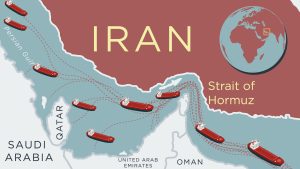
Qatar’s liquefied natural gas (LNG) exports have plummeted by 96% over the last six months due to conflict in Iran disrupting transit through the Strait of Hormuz. According to Reuters calculations, the world’s second-largest LNG exporter has suffered a $24 billion loss in sales.
Data from intelligence firm ICIS shows that Qatar’s shipped cargoes plummeted to just 18 during this period, down from 509 cargoes during the same timeframe last year.
Qatar has struggled more than neighboring producers like the UAE to navigate vessels through the blockaded Strait of Hormuz, making its LNG shipments the hardest-hit energy commodity of the conflict. The effective closure of the strait has halted approximately 20% of the world’s daily LNG flows. Furthermore, Iranian missile and drone attacks have damaged Ras Laffan, Qatar’s primary LNG liquefaction complex and the largest facility of its kind in the world.
State-owned QatarEnergy estimates that repairing the Ras Laffan facility could take up to five years, resulting in an annual revenue loss of roughly $20 billion. Consequently, the company has declared force majeure on several long-term supply contracts for up to five years.
The sudden supply shortage has pushed natural gas prices in Asia and Europe to a three-year high, sparking concerns over winter fuel security. Without its typical Qatari supply, Europe is struggling to replenish its gas storage facilities. Goldman Sachs recently noted that European gas prices must rise significantly by December to attract enough spot LNG cargoes away from competing Asian markets, where prices remain elevated due to the ongoing crisis.