Oil Companies Avoid Ships on Iran Blacklist, Sources Say
 admin
admin 
Several major oil companies, including at least three Indian refiners and a global energy giant, intend to stop using tankers blacklisted by Iran due to escalating security concerns. According to industry sources, these companies will also avoid ship-to-ship (STS) transfers involving the designated vessels.
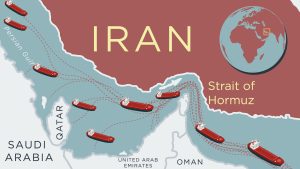
The move follows Tehran’s announcement of a blacklist containing 45 vessels accused of violating rules for transiting the critical Strait of Hormuz. Iran’s newly formed Persian Gulf Strait Authority warned that it would take action, including fines, detentions, and cargo confiscations, against any ships conducting transfers with the blacklisted vessels.
This blacklist appears aimed at disrupting “shuttle runs” utilized by Gulf producers like Saudi Arabia and the United Arab Emirates. These operations use dedicated tankers to transport oil through the Strait of Hormuz for STS offloading in the Gulf of Oman, bypassing shipping bottlenecks caused by regional conflict.
Some of the blacklisted tankers are owned or chartered by Saudi Aramco and Abu Dhabi National Oil Co (ADNOC) to transport crude, refined products, and liquefied natural gas. Both state-owned companies declined to comment on the matter.
Industry analysts suggest that while highly compliant buyers will avoid the blacklisted vessels, the oil trade is more likely to adapt by using alternative ships, partners, or transfer locations rather than halting entirely. However, many charterers and shipping firms are currently evaluating the risks. Some buyers are considering shifting from free-on-board purchases at STS locations to delivered-basis contracts to minimize exposure.
“Our internal departments are still in discussion on how to proceed with crude deliveries from the Strait of Hormuz via ship-to-ship transfers in the long term,” said KY Lin, President of Formosa Petrochemical Corp.
The threat of contagion remains a primary concern for the shipping industry. If Iran penalizes vessels interacting with the blacklisted tankers, it could significantly reduce the number of willing shipowners and charterers, raise due-diligence requirements, and drive up freight, insurance, and risk premiums.