U.S. Negotiates Direct Ownership of Oil Fields in Venezuela
 admin
admin 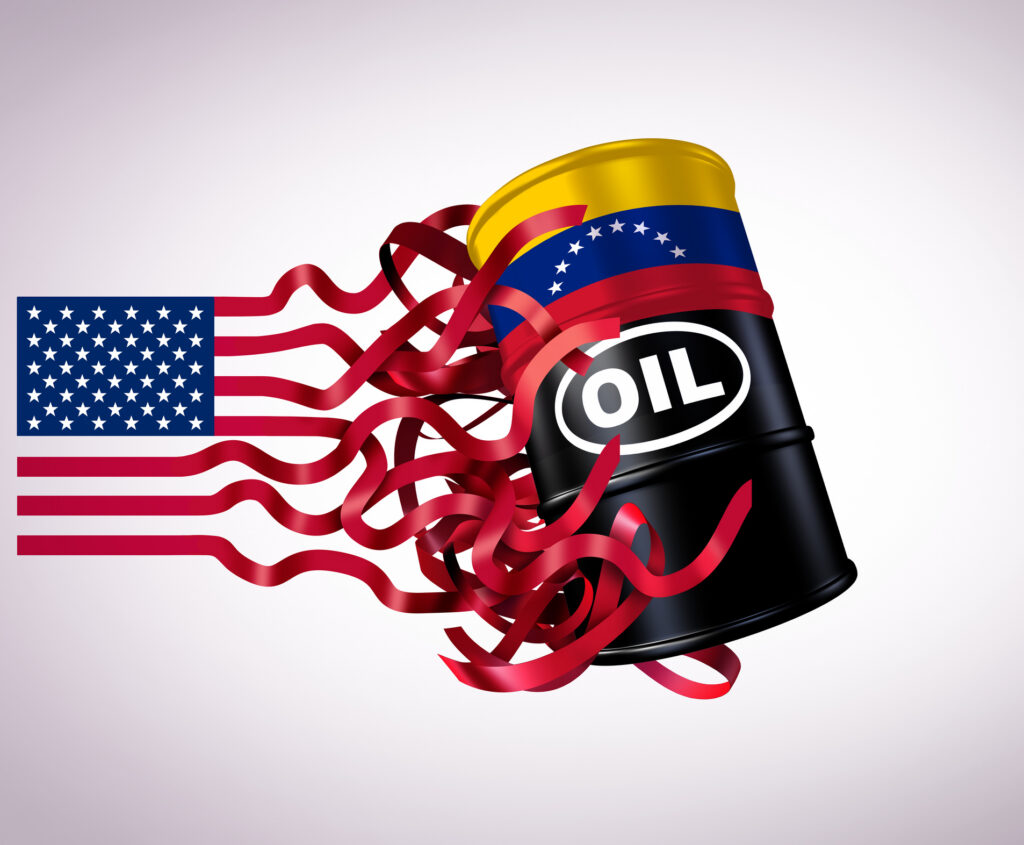
The Trump administration is in active talks with Venezuela’s interim government to secure direct U.S. ownership of key Venezuelan oil fields, according to senior U.S. officials cited by Axios. The negotiations target equity stakes in high-yield fields containing roughly 90 billion barrels of proven crude. This move represents a major shift in Washington’s foreign energy policy, aiming to expand U.S.-controlled global reserves.
The targeted fields are a strategic portion of Venezuela’s 303-billion-barrel reserve, the largest in the world. These assets were previously managed by Venezuelan state interests, joint-venture partners, and Chinese state-backed entities. If finalized, the deal would mark an evolution of the White House’s “Energy Dominance” strategy, transitioning from domestic deregulation and shale expansion to the direct acquisition of resource equity in the Western Hemisphere.
### A $180 Billion Commitment
The push for direct equity comes amid supply disruptions, high energy prices, and macroeconomic pressures. With the U.S. Strategic Petroleum Reserve (SPR) at historic lows and Middle Eastern transit routes facing constant threats, securing direct control over Western Hemisphere heavy crude serves as a vital strategic hedge.
However, transforming these reserves into actual production faces major hurdles. Decades of underinvestment in Venezuela’s state oil company, PDVSA, have left the country’s oil infrastructure severely degraded. Experts note that raising production beyond the current 1.25 million barrels per day (bpd) will require massive capital. According to Rystad Energy, restoring nameplate capacity will demand approximately $180 billion in investment over the next decade, while maintaining current production levels alone requires over $50 billion over the next 15 years.
### Majors Hesitate as Independents Step In
While major oil corporations like ExxonMobil and ConocoPhillips remain cautious due to past expropriations and legal risks, independent operators and oilfield service providers are capitalizing on immediate opportunities.
Firms such as SLB and Hunt Oil have recently signed initial exploration and service contracts with PDVSA. Other independent companies, including California-based Pacific Coast Energy Company, are finalizing deals to manage mature heavy-oil fields.
Under the proposed framework, private international companies would manage field operations and development, with a share of the revenues going to Caracas. U.S. Energy Secretary Chris Wright is reportedly traveling to Caracas next week to discuss logistics for accelerating field rehabilitation. Despite these efforts, analysts expect production growth to remain slow and incremental until legal and structural frameworks are fully stabilized.