U.S. Backs Arena Energy with Federal Loan, Signaling Shift in Oil Sector Financing
 admin
In a historic first for the U.S. Department of Energy, the Trump administration has closed a $480 million federal loan for Arena Energy to boost offshore crude and natural gas output in the Gulf of Mexico. This marks the first time the agency’s financing programs have directly funded conventional oil and gas operations.
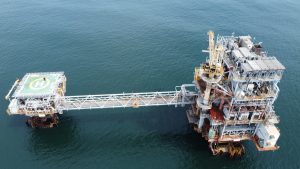
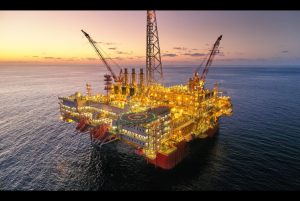
The federal backing will fund Project Elkhorn, a major infrastructure revitalization plan targeting 22 platforms across the Southern Eugene Island region off the Louisiana coast. Under the initiative, the privately held operator will repair existing production facilities, reactivate idle platforms, expand water-treatment capacity, and lay new natural gas pipeline infrastructure. Arena is carrying out the development alongside its affiliates, Rosefield Pipeline and White Fleet Drilling.
According to DOE projections, the upgrades are expected to generate peak output of up to 38,600 barrels of crude oil and 77 million cubic feet of natural gas daily. Over the project’s lifetime, Arena anticipates extracting an estimated 125 million barrels of oil and 250 billion cubic feet of natural gas. The expanded production could generate roughly $1.6 billion in federal royalty revenues, contingent on commodity market pricing and actual output levels.
The loan was issued through the Department of Energy’s newly named Office of Energy Dominance Financing, signaling a strategic shift toward deploying federal capital to traditional fossil fuel infrastructure alongside emerging technologies. Energy Secretary Chris Wright highlighted the venture as a key step toward strengthening national energy security, while Arena CEO Mike Minarovic stressed the economic benefits of maximizing resources from mature fields using existing platform networks.
Project Elkhorn is expected to create approximately 2,800 total positions, comprising 2,400 construction jobs and 400 permanent operational roles.
While the project’s projected peak output accounts for roughly 0.3% of total domestic crude production—offering minimal immediate impact on consumer energy prices—it carries significant implications for energy sector finance. Direct federal lending could provide crucial capital for offshore operators seeking to extend the lifespan of aging assets, particularly where private capital markets or traditional lenders are constrained. However, market observers note that redeveloping legacy platforms carries ongoing risks, including rising maintenance costs, environmental compliance, and eventual decommissioning obligations.