Iran Set to Control Inbound Hormuz Traffic Under Proposed Deal, Sources Say
 admin
admin 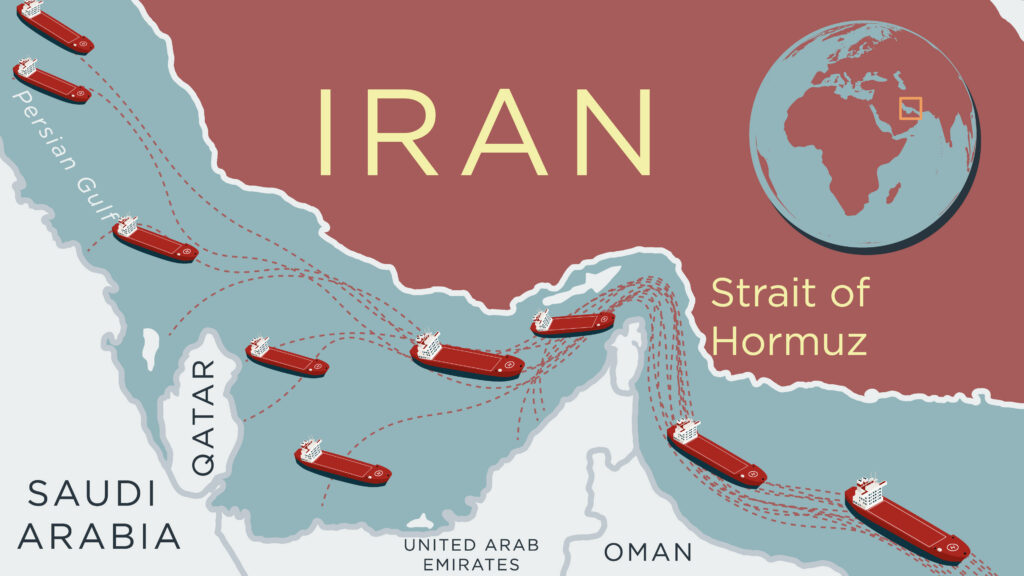
A proposed agreement between Iran and Oman aimed at ending the five-month conflict between the United States and Iran would grant Tehran control over vessels entering the Persian Gulf via the Strait of Hormuz. According to regional and Iranian sources, this potential development represents a major concession to Iran.
While U.S. President Donald Trump has suggested that a deal to reopen the strategic waterway is imminent, Washington has not officially commented on the proposal. U.S. officials have previously maintained they would not accept Iranian control over access to the critical global energy shipping route. Prior to the conflict, which began in February, the strait was open to all maritime traffic without fees.
Sources familiar with the discussions cautioned that significant obstacles remain, downplaying suggestions that a final agreement is immediate. While a regional source confirmed that concessions regarding some level of control over the strait have been made, negotiations continue over how “control” will be defined. Gulf negotiators are reportedly pushing for regional oversight of vessel inspections and proposing that any transit fees remain voluntary.
The text of the proposed agreement reportedly outlines Iranian control over inbound ships. However, the degree of authority Iran would have over outbound traffic remains a key point of contention. Iranian Deputy Foreign Minister Kazem Gharibabadi stated that the proposed framework would direct commercial shipping through Iranian territorial waters on both inbound and outbound journeys. He noted that talks with Oman have reached fundamental understandings and are nearing completion.
Gharibabadi also indicated that Washington has signaled a readiness to return to its commitments under a mid-June memorandum of understanding, which called for an immediate halt to military operations. He emphasized that while this is a prerequisite for reopening the strait, further agreements are necessary.
The diplomatic push comes as President Trump faces domestic pressure ahead of the November midterm elections, with polls indicating strong public opposition to the conflict. Despite intensive military efforts, including sustained airstrikes in July, the U.S. has not altered control over the waterway, and reports indicate U.S. forces face dwindling munitions supplies.
Meanwhile, global oil prices fell following Trump’s decision to pause planned military strikes in favor of negotiations. However, market losses were mitigated by security risks in the Red Sea, where Yemen’s Houthi movement claimed responsibility for missile attacks targeting Saudi oil tankers.
While Trump expressed optimism that negotiations are progressing and the strait will reopen soon, Iranian sources warned that the deal remains fragile. Additionally, disputes persist over potential transit fees. Iran is reportedly seeking fees between 5% and 7% of cargo values, while Oman has proposed a 3% rate, and the U.S. maintains that no fees should be charged.