Gulf Infrastructure Investment Surges Amid Iran War Fears
 admin
admin 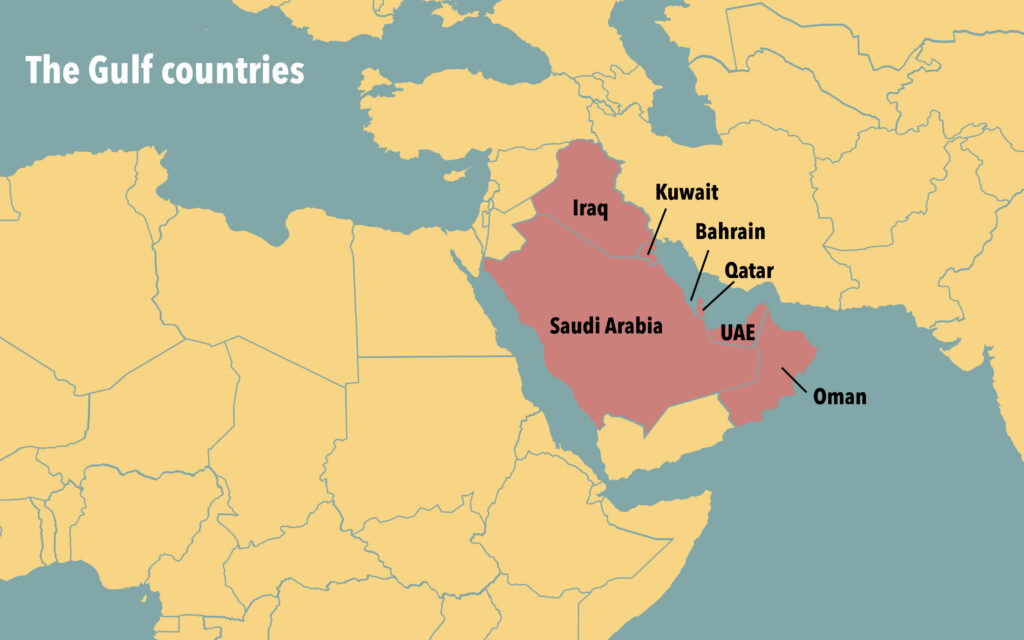
The ongoing conflict with Iran has significantly altered global trade routes, prompting Gulf nations to shift their investment strategies. To mitigate the economic impact of the war, these countries are channeling substantial capital into critical infrastructure, including energy pipelines and maritime ports.
The hostilities have exposed the vulnerability of the Strait of Hormuz, a key maritime transit point that previously handled 20% of the world’s oil supply and has long been subject to Iranian disruption. With the strait largely impassable for the past six months, Gulf energy exporters are committing billions of dollars to safeguard their economies against a sharp downturn.
While trade has been redirected to Saudi Arabian ports on the Red Sea and ports in the eastern United Arab Emirates, these facilities have limited capacity. Consequently, Gulf governments are seeking permanent, integrated transport networks to bypass the Strait of Hormuz entirely.
Prioritizing Port Infrastructure
Although many Gulf states possess substantial oil reserves to fund these initiatives, some are looking to attract foreign direct investment. International infrastructure funds and global investors are showing strong interest in the region’s assets, where development costs could reach hundreds of billions of dollars. Gulf sovereign wealth funds are already deploying capital to accelerate these projects.
Ports have become a critical priority. In Saudi Arabia, the focus has shifted heavily toward maritime infrastructure. Meanwhile, Abu Dhabi’s sovereign wealth fund, L’IMAD, recently announced plans to acquire full ownership of AD Ports as part of a strategic restructuring.
AD Ports, which operates terminals globally, reported a two-thirds decline in container and cargo volumes in the second quarter compared to the previous year, citing unprecedented operational challenges. Similarly, Dubai’s DP World experienced a business slowdown in the first half of the year. In response, DP World is planning two new container terminals in Fujairah—where a new oil pipeline is set to double crude capacity next year—and is developing inland container depots across the UAE.
Financial analysts note that Gulf governments possess sufficient internal capital to drive these accelerated infrastructure investments. In tandem with these efforts, Saudi Arabia is fast-tracking a multi-billion-dollar expansion of its East-West crude pipeline to the Red Sea, which could also assist neighboring countries in exporting oil without transiting the Strait of Hormuz.
Broad Economic Impact
The conflict has caused disruptions extending far beyond shipping lanes. Military strikes on regional facilities have damaged oil refineries, aluminum plants, and data centers. Additionally, reduced air traffic has weakened the local tourism and business travel sectors, challenging the region’s long-standing reputation as a safe economic haven.
Economic forecasts indicate that the GDP of Qatar and Kuwait will contract by over 8% this year. Saudi Arabia’s economic growth is projected to slow to 1.4%, down from 4.5% in 2025. Qatar, previously a leading exporter of liquefied natural gas (LNG), remains highly vulnerable due to its complete reliance on the Strait of Hormuz and damage sustained by its production facilities.
In response, Kuwait Petroleum Corp is negotiating with Saudi Arabia and the UAE to access their pipeline networks. Iraq is also seeking to diversify its export routes by expanding capacity through Turkey’s Ceyhan port and exploring new pipeline routes through Jordan’s Aqaba and Syria’s Baniyas ports.
Although shipping through the Strait of Hormuz has partially resumed, traffic remains highly restricted. With no definitive resolution to the conflict between Iran and the United States, regional nations are collaborating on alternative logistics networks. This includes a proposed railway project connecting Turkey, Saudi Arabia, Jordan, and Syria, which is projected for completion within the next three to four years.
Industry experts emphasize that the crisis has demonstrated the very real vulnerabilities of global maritime chokepoints, highlighting the necessity of establishing redundant trade and transport corridors regardless of initial cost concerns.