Amnesty International: Shell Documents Reveal Decaying Pipelines, Missing Wells, and $10.9bn Cleanup Bill Amid Growing Pollution Scandal
 admin
admin 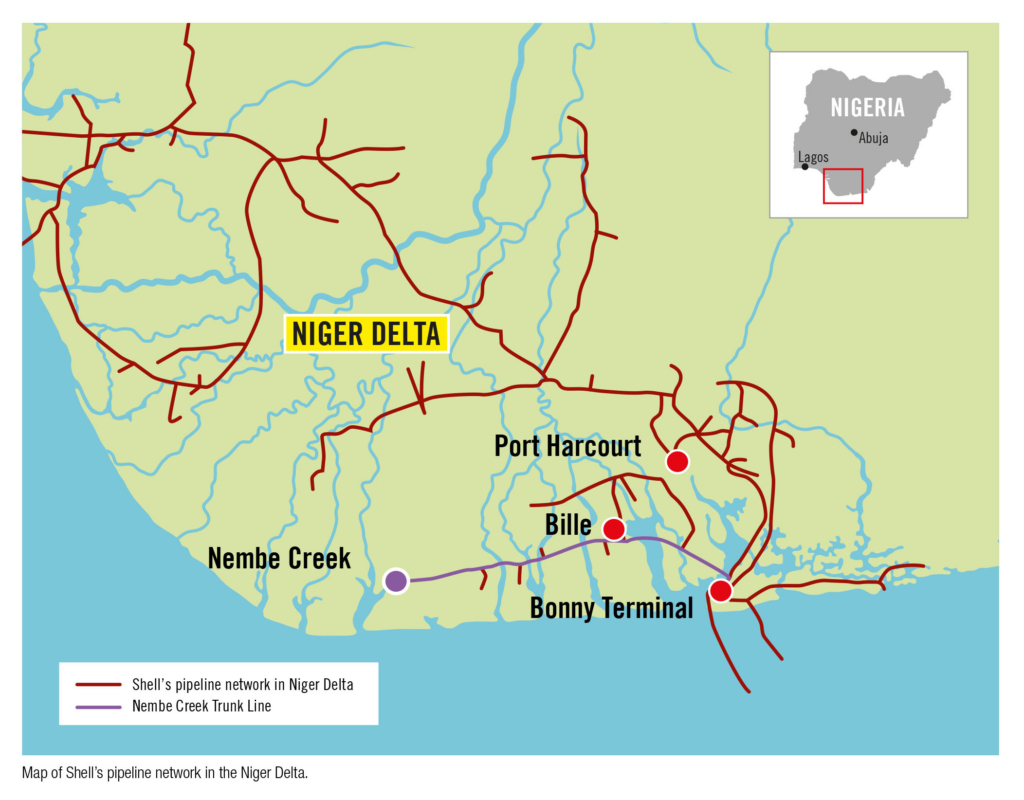
A newly released report by a coalition of human rights and environmental groups, including Amnesty International, reveals that Shell must be held accountable for decades of environmental damage in Nigeria’s Niger Delta.
The report, titled *Nigeria: Lifting the Lid*, is based on internal corporate emails, audits, presentations, and confidential reviews disclosed during legal proceedings in the UK. The document trail exposes a widespread human rights scandal, showing that despite Shell’s public claims of operating under international standards, internal operations were plagued by infrastructure neglect, compromised safety protocols, and unresolved clean-up liabilities.
### Key Revelations from Internal Documents
* **Complicity and Safety Exemptions:** The internal records indicate that Shell knowingly allowed illegal pipeline taps to remain active to avoid halting profitable oil flows. This prompted accusations from the Nigerian military that the company was complicit in oil theft. Furthermore, Shell exempted its local subsidiary, Shell Petroleum Development Company (SPDC), from global safety standards to keep oil moving through compromised pipelines. Executives also suspected that company employees and contractors might have colluded with oil thieves.
* **Infrastructure Neglect:** Internal audits highlighted massive maintenance backlogs, missing data for hundreds of onshore wells, and a lack of real-time pipeline monitoring systems. Over 1,600 temporary repair clamps were left on pipelines permanently, with the locations of many older clamps entirely unknown. Additionally, SPDC failed to follow its own policy of replacing flowlines every 15 years, relying instead on emergency breakdown maintenance.
* **The “Basket” Pipeline:** Following the replacement of the Nembe Creek Trunk Line in 2010, Shell left an 80km section of the old pipeline filled with stagnant crude oil due to budget constraints. Internal communications referred to the abandoned line as “a basket” and warned of inevitable leaks, which subsequently occurred.
* **Financial Divestment and Decommissioning Liabilities:** A 2014 internal estimate placed the cost of decommissioning SPDC’s onshore assets at $10.9 billion (equivalent to $14 billion today), excluding clean-up costs. Another internal document noted that 375 square kilometers of mangrove forests had been damaged by pollution. In 2025, Shell sold SPDC to Renaissance Africa Energy, a move critics describe as an attempt to evade these massive liabilities and transfer the risks of aging infrastructure to a buyer with unproven capacity.
### Corporate Response
In response to the findings, Shell stated:
> “The characterisation and portrayal of Shell in your letter is not one we recognise. Shell is committed to honesty, integrity and respect for people, and to conducting business in an ethical and transparent manner.”
The company added that the report’s findings do not accurately reflect the challenging operating environment in the Niger Delta during the period in question.
### Demands for Justice and Reform
The coalition of organizations behind the report—which includes Amnesty International, The Corner House, Hawkmoth, HEDA Resource Centre, Kebetkache Women Development & Resource Centre, MEDI, Recommon, and Social Action—argues that Shell’s own records dismantle its long-standing defense of blaming environmental damage solely on third-party sabotage.
Because Nigerian law only requires companies to compensate communities for operational spills (and not for sabotage), critics argue that Shell’s weak and flawed spill-monitoring systems directly prevented affected communities from receiving rightful compensation.
The coalition is calling on:
1. **Nigerian Authorities:** To overhaul regulatory oversight of the oil industry, mandate transparent audits of all active and decommissioned infrastructure, and establish a fully funded Niger Delta clean-up superfund.
2. **UK and Dutch Authorities:** To investigate whether Shell misled regulators, shareholders, and the public regarding the true scale of its operational liabilities.
3. **Shell:** To stop using divestment as an escape route, fully fund environmental clean-up efforts, and provide fair compensation to the affected communities.
### Background
This report analyzes Shell documents dating from 2008 to 2014, including files made public in April 2026 following legal applications by several NGOs, alongside details from a May 2026 court filing. These disclosures come amid ongoing legal battles, including a lawsuit filed against Shell in 2015 by the Ogale and Bille communities, with the Bille case scheduled for trial in March 2027.