
BMO Expands U.S. Energy Investment Banking Amid Surging Natural Gas Demand
 admin
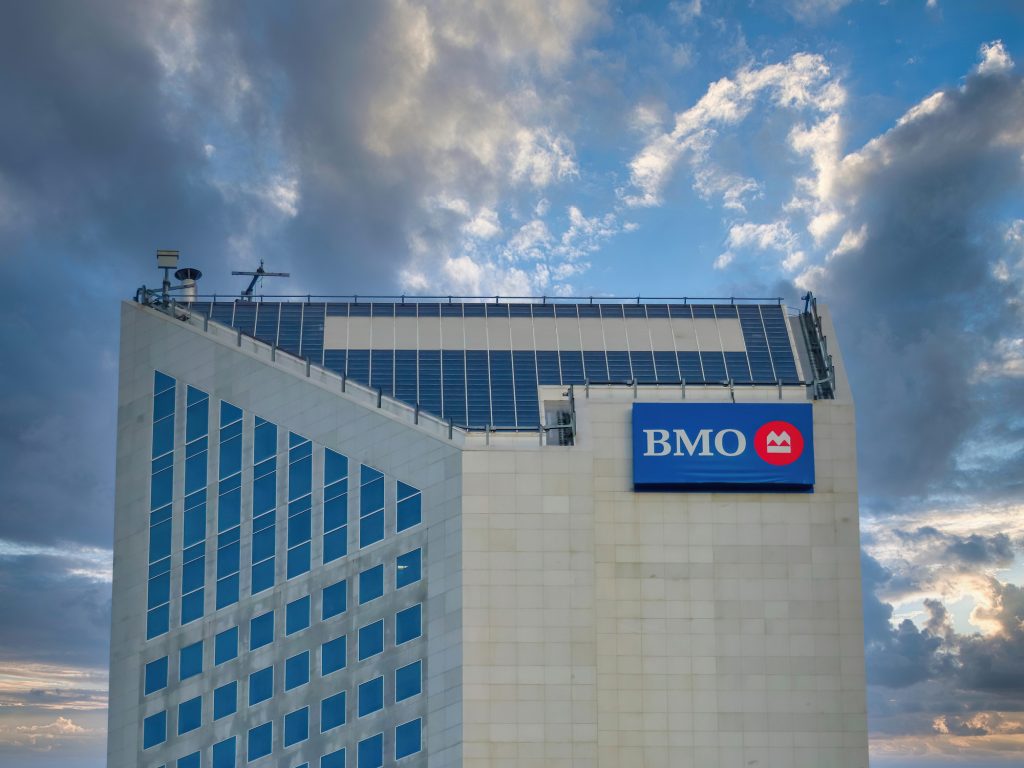

(Oil & Gas 360) – Six years after stepping back from the market, Bank of Montreal (BMO) is re-establishing its U.S. oil and gas investment banking division amid a surge in energy M&A, infrastructure projects, and cross-border deals. The Canadian lender is actively onboarding seasoned industry talent to enhance its advisory footprint as rising natural gas demand and expanding grid infrastructure drive new capital markets activity.
Reports from Reuters indicate that BMO Capital Markets has tapped industry veteran Ali Akbar to head the new U.S. energy group. Akbar brings over a quarter-century of investment banking experience, having recently served at Mizuho Financial Group and Greenhill, with prior stints at RBC Capital Markets and Deutsche Bank.
The revitalized division will focus heavily on midstream operators and energy infrastructure providers specializing in crude and natural gas transport, processing, and storage. Additional bankers from Mizuho are expected to transition to BMO’s team in 2027 following the conclusion of their standard non-compete periods. Representatives from both BMO and Mizuho declined to comment on the staffing moves.
This strategy represents a clear pivot from late 2020, when BMO shuttered its international energy advisory business following pandemic-driven demand shocks, historic oil price drops, and widespread bankruptcies across the U.S. exploration and production sector.
Today’s landscape offers a far more favorable environment. Surging power consumption driven by AI data centers, manufacturing growth, and grid modernization has placed a premium on natural gas networks. Simultaneously, energy firms are using strategic acquisitions to gain scale, secure transportation routes, and bolster operational efficiency.
This market shift creates lucrative advisory opportunities spanning M&A, debt underwriting, equity issuance, and corporate restructuring. Midstream assets are especially attractive to dealmakers, as pipeline networks require heavy capital commitment and offer predictable, fee-based cash flows backed by long-term contracts.
Cross-border deals present another key catalyst. Major Canadian midstream players continue to expand their U.S. footprints, while American operators are eyeing Canadian resources and infrastructure to offset shrinking domestic drilling inventories. BMO’s deep-rooted banking relationships in Canada position it to capture transaction volume across both sides of the border.
For private equity funds, institutional capital, and corporate boards, BMO’s aggressive reentry underscores Wall Street’s renewed appetite for energy infrastructure. Heightened advisory competition could offer corporate borrowers better access to capital and broader financing structures for asset sales and buyouts.
Even so, the arrival of another major bank is no guarantee of higher asset valuations or guaranteed deal volume. M&A momentum remains tightly tied to commodity price volatility, interest rate environments, regulatory hurdles, and asset quality.
Ultimately, BMO’s move mirrors a market-wide realigning of capital toward natural gas logistics and power generation infrastructure alongside traditional shale production. As energy executives evaluate capital deployment options, BMO’s return adds another major player vying for lucrative advisory mandates, though its long-term success will hinge on client acquisition and transaction execution in a crowded marketplace.
Disclaimer
This informational, opinion, and insights article is provided for informational purposes only and does not constitute investment, legal, or financial advice. The views expressed are based on publicly available information and market conditions at the time of publication and are subject to change without notice.




