U.S. Targets Offshore Cargo Transfers in Expanded Iran Oil Blockade
 admin
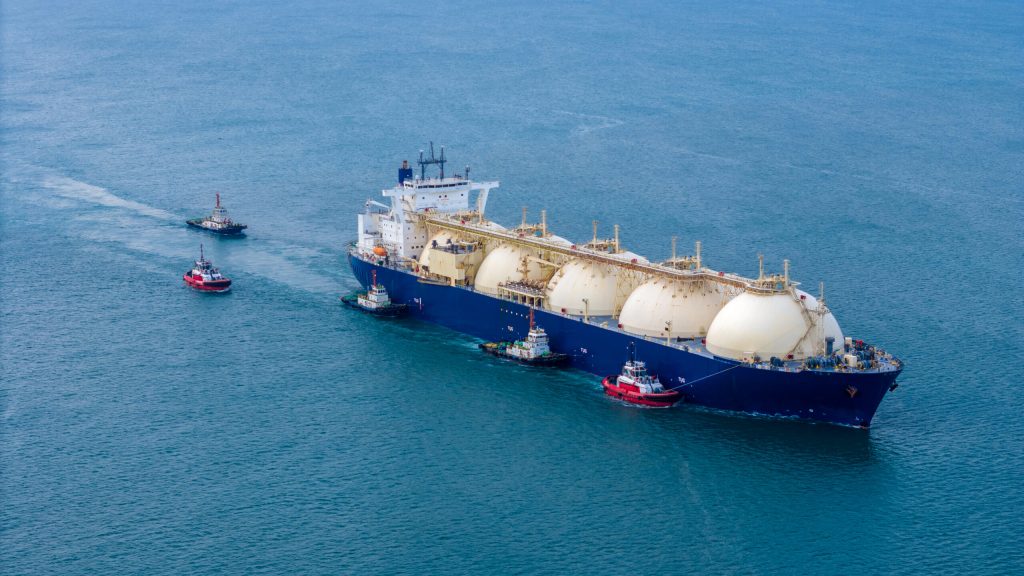

(Oil & Gas 360) – Washington has heightened its naval blockade measures against Iran, issuing a stern warning that any maritime vessel engaging in ship-to-ship transfers of oil or cargo linked to Iranian ports could be intercepted, even within international waters. This updated directive significantly amplifies U.S. strategies to curb Tehran’s export capabilities amid lingering Middle Eastern instability.
An advisory released Wednesday by U.S. Central Command specifies that ships acquiring cargo originating from Iranian coastlines or ports—even via mid-ocean transfers—will be viewed as attempting to bypass the maritime blockade. The practice of offshore transshipment, frequently utilized to mask the origin of crude before reaching end markets, is now under direct target.
Under these refreshed directives, U.S. forces hold the authority to intercept, inspect, re-route, or impound any vessel believed to be in violation. Furthermore, command personnel may mandate that non-compliant ships return illicit cargo directly to Iran. Ships refusing to abide by military orders risk aggressive enforcement actions, including the application of lawful force.
This operational expansion marks the latest escalation in the ongoing campaign to isolate Iran from global energy markets. Originally enacted on April 13, the blockade experienced a brief suspension in June during preliminary talks, only to be fully reinstated on July 14 after diplomatic efforts collapsed.
Industry data and security reports indicate that Iranian crude exports have been virtually halted for months. Despite this, limited volumes of jet fuel and liquefied petroleum gas (LPG) have managed to breach the perimeter, prompting tighter oversight from military regulators.
By targeting off-shore transshipments, U.S. authorities aim to close a major regulatory loophole. While legitimate within the global maritime industry, ship-to-ship transfers involving high-risk regions now carry severe legal and operational liabilities for commercial operators.
Consequently, international tanker owners, fuel traders, and maritime underwriters must enforce stricter due diligence regarding cargo provenance, ship tracking data, and transaction partners. Routine maritime operations near these zones now face heightened oversight if any link to Iranian trade is suspected.
This policy update comes at a delicate time for Middle Eastern energy dynamics, as regional suppliers work to stabilize logistics following prolonged friction around the Strait of Hormuz. While broader global oil supplies have gradually recovered, persistent security measures and trading bans continue to complicate maritime traffic.
For non-Iranian crude producers, sustained sanctions may shift regional price benchmarks and market share. Refiners previously dependent on Iranian crude blends are forced to secure alternative feeds, while logistics providers face surging operational expenditures related to revised routing, compliance checks, and elevated insurance premiums.
Market analysts and institutional investors note that while these regulatory adjustments signal a tougher political stance, the net impact on global oil availability may remain marginal given that Iranian crude output is already largely constrained. The primary risk lies in whether aggressive enforcement actions inadvertently disrupt wider commercial shipping throughout the region.
Ultimately, the expanded naval directive highlights how geopolitical conflicts and regulatory mandates continue to dictate global energy distribution, serving as critical variables alongside base supply and demand fundamentals.
Disclaimer
This informational, opinion, and insights article is provided for informational purposes only and does not constitute investment, legal, or financial advice. The views expressed are based on publicly available information and market conditions at the time of publication and are subject to change without notice.