
IEA Projects Renewable Power to Near 45% of Global Electricity by 2031
 admin
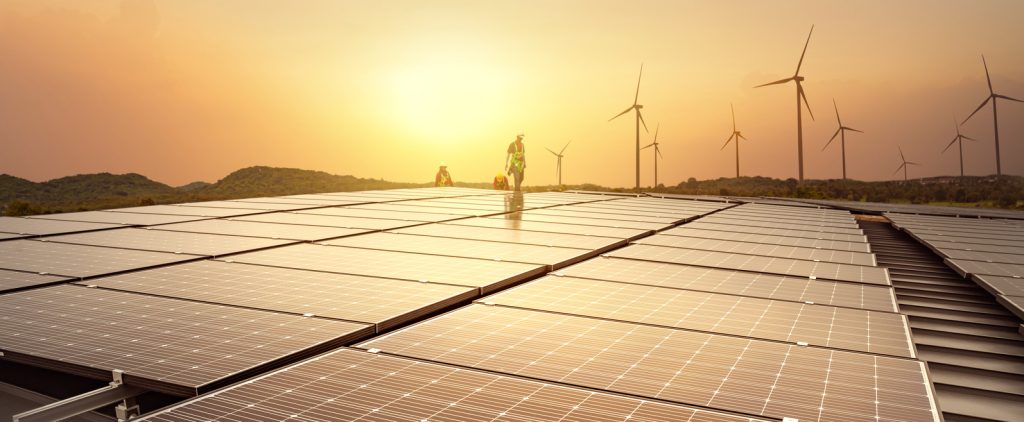

(Oil & Gas 360) – Driven by energy security priorities and fluctuating fossil fuel costs, global renewable power capacity is set to expand by almost 4,800 gigawatts from 2026 through 2031, according to the International Energy Agency.
Detailed in the IEA’s Renewables 2026 analysis released November 6, this forecast marks a 57% surge compared to the growth recorded in the prior six-year window. Solar PV systems are anticipated to make up over 75% of the new capacity.
The revised projections stem largely from global fuel market instability triggered by hostilities involving Iran and transport bottlenecks along the Strait of Hormuz.
To curb reliance on foreign energy supplies, nations are ramping up renewable energy deployment alongside vital upgrades to grid systems and utility-scale energy storage.
While China will continue to lead global renewable additions, its overall market share is expected to taper from over 60% in 2025 down to roughly 53% through 2031.
India is positioning itself as the second-most dynamic market, with its clean energy footprint projected to more than double over the next five years.
Notably, renewable growth across developing and emerging markets (excluding China) is anticipated to equal the expansion seen in advanced industrial economies for the first time.
The IEA raised its U.S. renewable forecast by nearly 40% over its previous annual estimate, driven by accelerating power needs from facilities like data centers, alongside robust momentum in solar and battery storage systems.
By 2031, green energy sources are projected to supply nearly 45% of total world electricity, up from 33% in 2025. Solar energy is slated to surpass hydroelectricity as the top renewable power source by 2029.
Despite this momentum, structural and financial hurdles threaten to slow progress.
The IEA notes that around 3,000 gigawatts of mature renewable and battery projects are currently stuck in grid interconnection queues worldwide—a 60% jump year-over-year.
Sluggish permitting timelines, inadequate transmission capacity, and rigid grid infrastructure risk pushing up development expenses and stalling commissioning dates.
Furthermore, curtailment of renewable power could surpass 800 terawatt-hours per year by 2031, eroding financial returns for operators selling directly into wholesale power markets.
Supply chain profitability remains another obstacle. Over 90% of major Chinese solar equipment producers operated at a loss in 2026 due to structural overcapacity driving down hardware prices.
For institutional market players, these dynamics underline significant potential across clean generation, storage solutions, and grid enhancement, while demanding rigorous scrutiny of individual asset economics.
Factors such as underlying power demand, capital expenditures, equipment pricing, market regulations, and grid access will dictate long-term project viability.
Ultimately, the IEA’s assessment indicates that renewable expansion is increasingly fueled by economic and security imperatives, though financial success hinges on how effectively energy grids and market frameworks adapt to rising green supply.
Disclaimer
This informational, opinion, and insights article is provided for informational purposes only and does not constitute investment, legal, or financial advice. The views expressed are based on publicly available information and market conditions at the time of publication and are subject to change without notice.




