Market Selloff Prompted by Brazil’s Election Challenged by Petrobras CEO
 admin
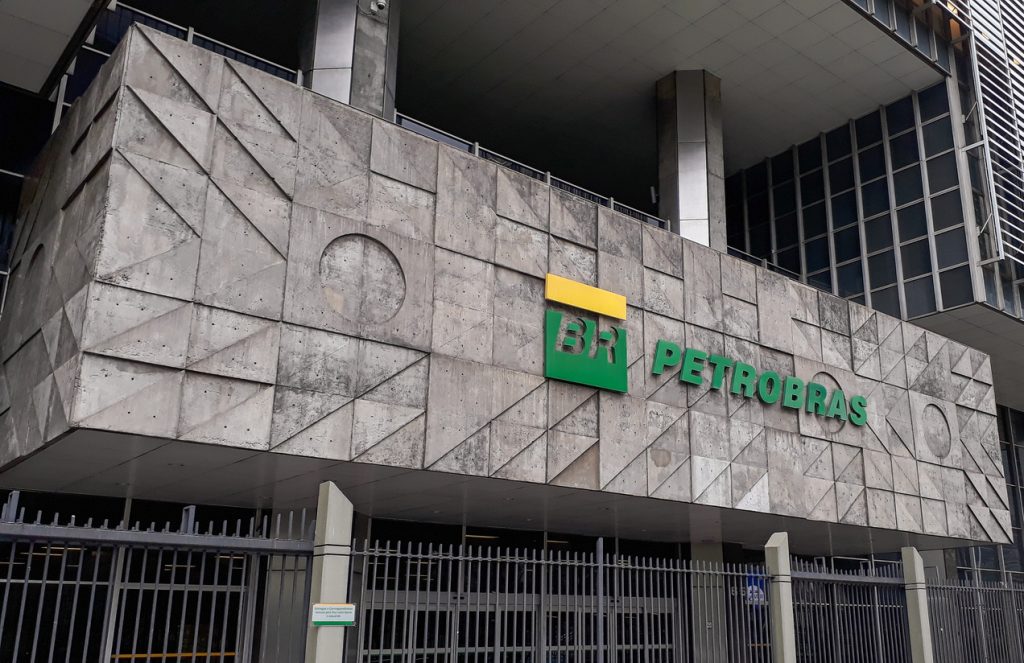

(Oil & Gas 360) – State-run energy firm Petrobras saw its stock drop nearly 10% on Monday after President Luiz Inácio Lula da Silva secured reelection. In response, CEO Magda Chambriard addressed the market reaction, standing by the company’s financial stability and operational plans as Wall Street reevaluated the outlook for Brazil’s energy industry under Lula’s continued leadership.
In an interview with Reuters on October 26, Chambriard dismissed the market dip as short-term speculation, asserting that Petrobras’ core operations and growth potential are unchanged. She noted that the price drop created a strong buying opportunity, though she mentioned she was personally restricted from buying shares.
The market decline came right after Sunday’s runoff election, where Lula won a fourth nonconsecutive term by defeating Senator Flávio Bolsonaro.
The outcome caught financial markets off guard, as traders had increasingly priced in a Bolsonaro win after the initial voting round earlier in the month.
The news triggered a broad selloff across Brazilian stocks, sovereign bonds, and the real on Monday, with investors recalibrating their expectations regarding state spending, fiscal policy, and state-backed enterprises.
This market volatility extended well past Petrobras, driven by growing unease over Brazil’s rising public debt and the incoming government’s economic agenda.
For Petrobras, the political shift brings the debate over corporate spending versus state policy back into focus.
As a state-controlled entity, the energy giant must constantly weigh its investments in deepwater exploration, refining, and infrastructure against dividend payouts and federal energy mandates.
The firm’s vast deepwater reserves, particularly within Brazil’s offshore pre-salt fields, remain the bedrock of its long-term strategy and capital expenditure plan.
At the same time, shareholders are keeping a close eye on how executive leadership balances capital deployment between new development, debt management, and investor