How the UAE Secures Its Oil Transit Through the Strait of Hormuz
 admin
admin 
The United Arab Emirates has successfully restored its oil export volumes to pre-crisis levels as of June by utilizing a variety of strategic shipping methods both within and outside the Strait of Hormuz.
Following its departure from OPEC on May 1, the UAE bypassed shipping bottlenecks at the critical chokepoint through several tactics: transporting crude through the Strait on smaller vessels to be loaded onto larger tankers outside the waterway, maximizing the capacity of its onshore pipeline to move oil from west to east, and operating tankers through the Strait in “dark mode” with transponders turned off.
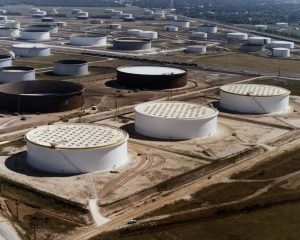
According to vessel-tracking data compiled by Bloomberg, these strategies allowed the UAE to export more crude oil through the Strait of Hormuz during June and July than any other Gulf nation. To support this push, Abu Dhabi National Oil Company (ADNOC) has issued an unprecedented number of spot tenders. By late July, ADNOC had launched its seventh tender since June, offering millions of barrels for delivery between August and October from loading sites inside the Persian Gulf (such as Zirku and Das Island), the port of Fujairah outside the Gulf, and via offshore ship-to-ship transfers off Fujairah and Malaysia.
These efforts coincided with record-breaking production. International Energy Agency (IEA) estimates indicate that the UAE’s crude output rose from 3.3 million barrels per day (bpd) in May to an all-time high of 4.1 million bpd in June. By pairing covert transits through the Strait with increased loading options outside of it—specifically at Fujairah and Sohar in Oman—the UAE successfully adapted to regional shipping blockades to keep its oil flowing to global markets.